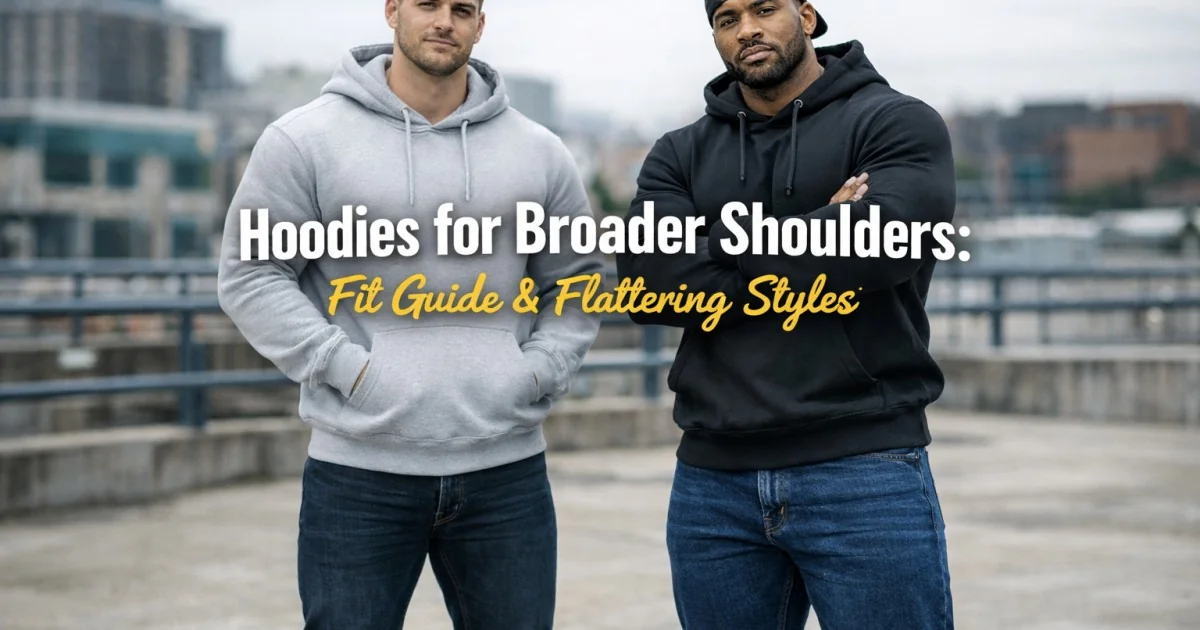
Oh sweetie, if you have broader shoulders, I want to have a real conversation with you about hoodies. Because after twenty years in fashion, I've noticed that women with shoulder-heavy proportions often struggle finding hoodies that actually work for...

Hey guys, I want to talk to you about something that seems simple but actually changes your entire wardrobe functionality: hoodie color choice. In my twenty years of fashion work, I've noticed that men often approach hoodie colors randomly they like ...

Okay girls, I'm going to tell you about one of my absolute favorite fashion discoveries that happened completely by accident about fifteen years into my career: pairing hoodies with tailored pants creates one of the most effortlessly chic, unexpected...
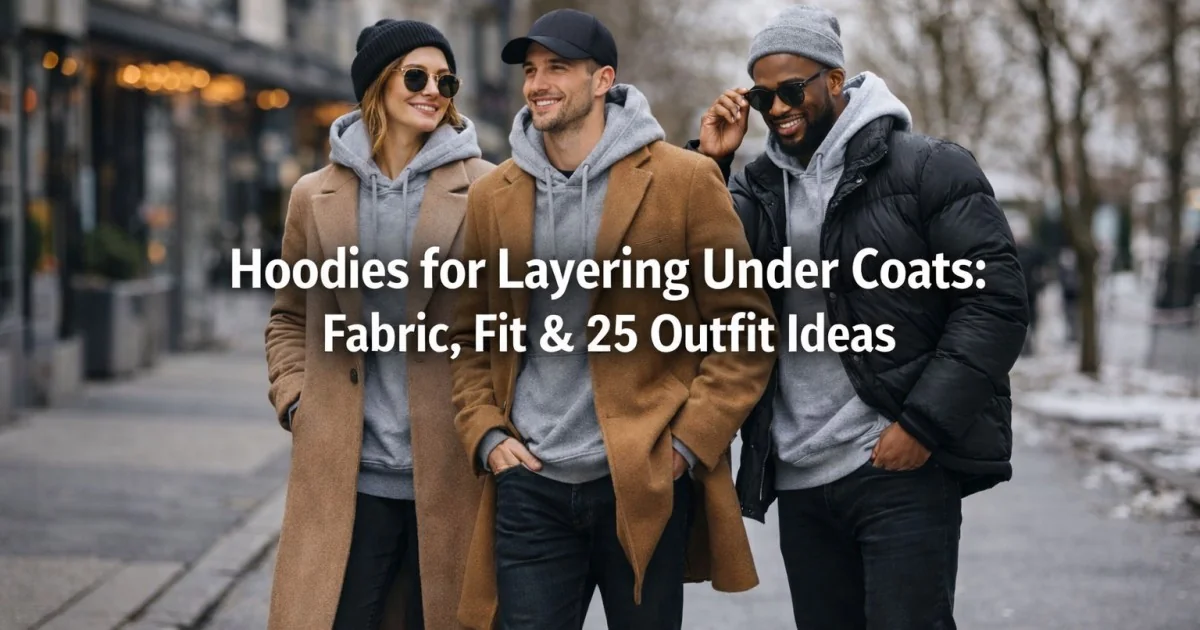
Oh sweetie, after twenty years in fashion, I've learned that one of the most underrated styling skills is knowing how to layer hoodies under coats properly. Most people just grab any hoodie and throw a coat over it, and then they're uncomfortable, th...

Hey guys, I want to talk to you about something that's honestly become one of my favorite pieces to style over my twenty years in fashion: the zip-up hoodie. Now, I know what you might be thinking it's just a hoodie with a zipper, what's the big deal...
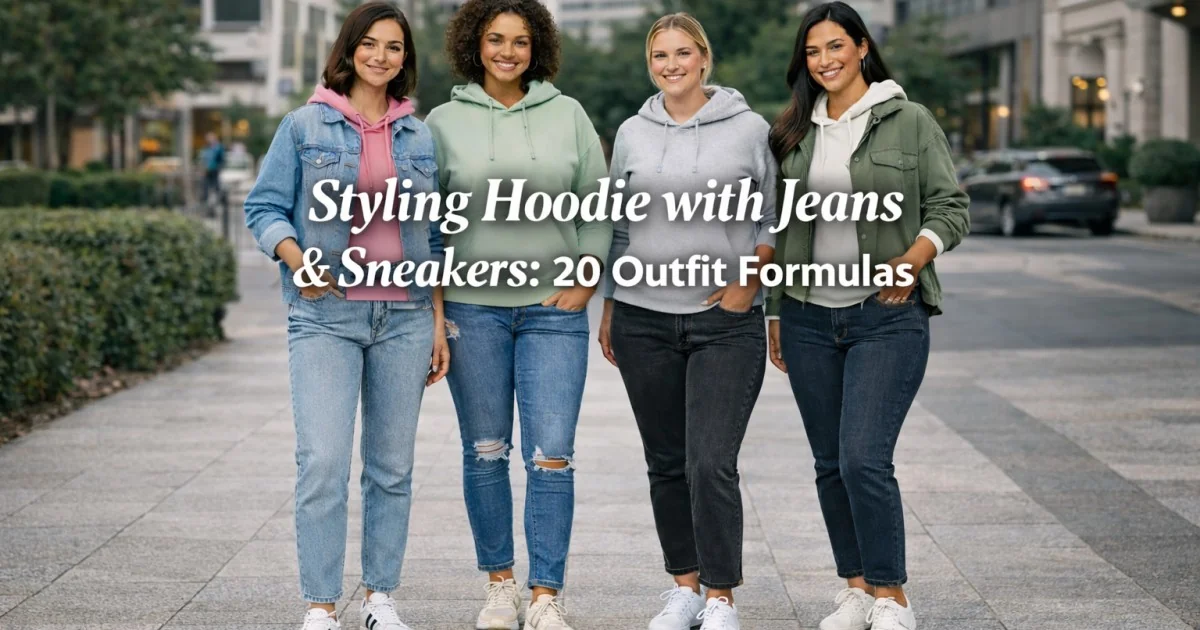
Alright ladies, let's talk about one of my absolute favorite casual combinations that I've been perfecting for almost twenty years: hoodie, jeans, and sneakers. I know it sounds ridiculously simple almost boring if we're being honest. But here's what...
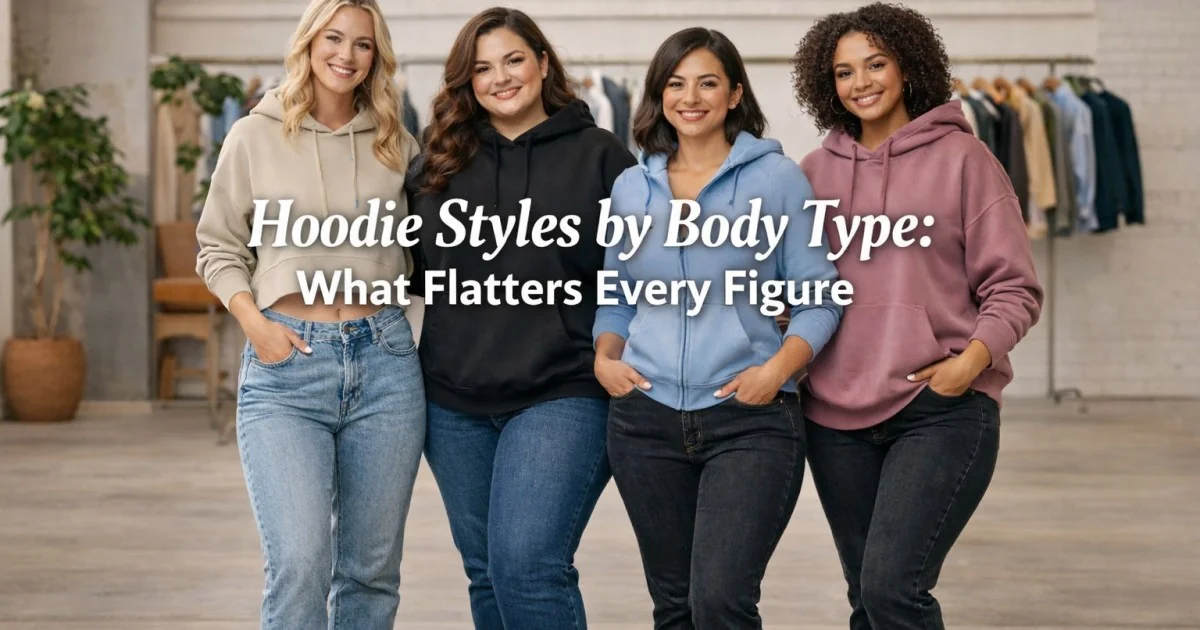
Okay ladies, let me tell you something that took me far too long to figure out during my twenty years in fashion: hoodies are not one-size-fits-all magic. I know, I know hoodies are supposed to be the great equalizer, right? Just throw one on and sud...
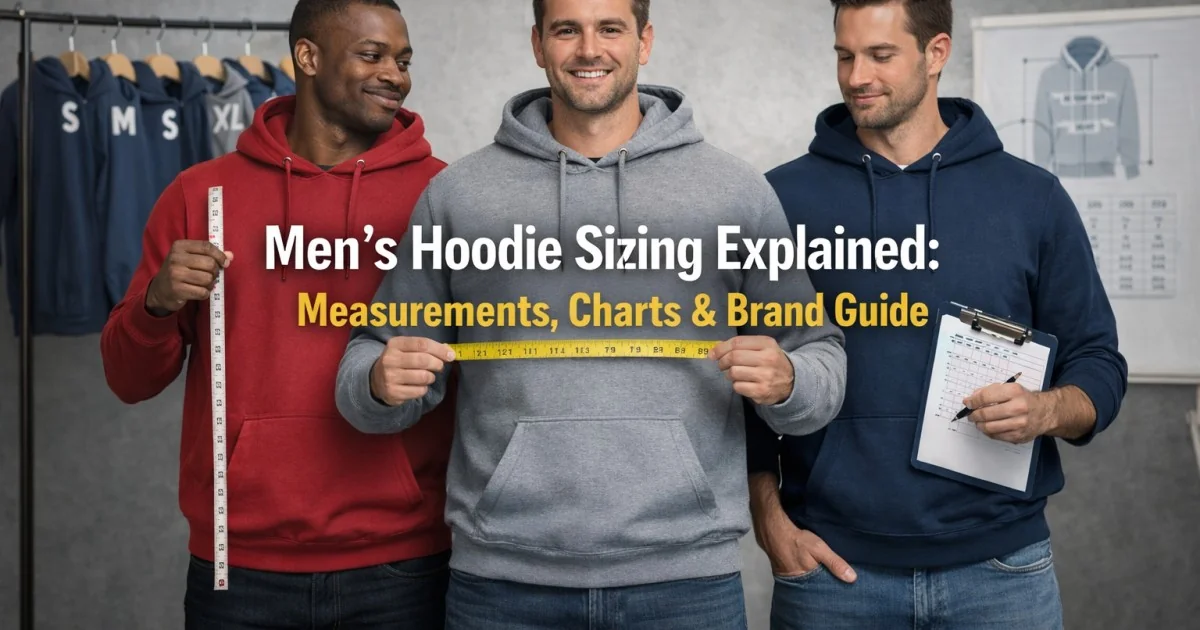
Listen, I've been in the fashion world for almost two decades, and I've learned something that constantly surprises me: men's hoodie sizing might be the most confusing thing in all of apparel shopping. I've watched intelligent, confident guys paralyz...
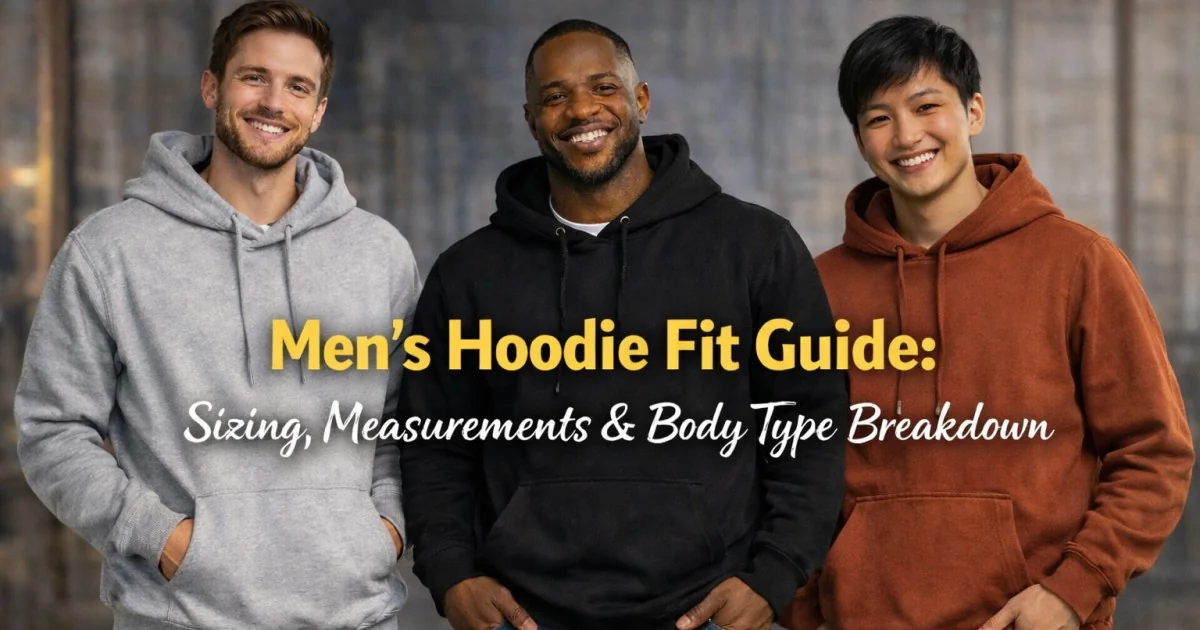
Hey guys, I'm going to be honest with you right from the start I've spent almost twenty years studying how clothes fit different bodies, and I've learned that men's hoodie shopping is surprisingly complicated. Most men think "it fits if my arms fit t...
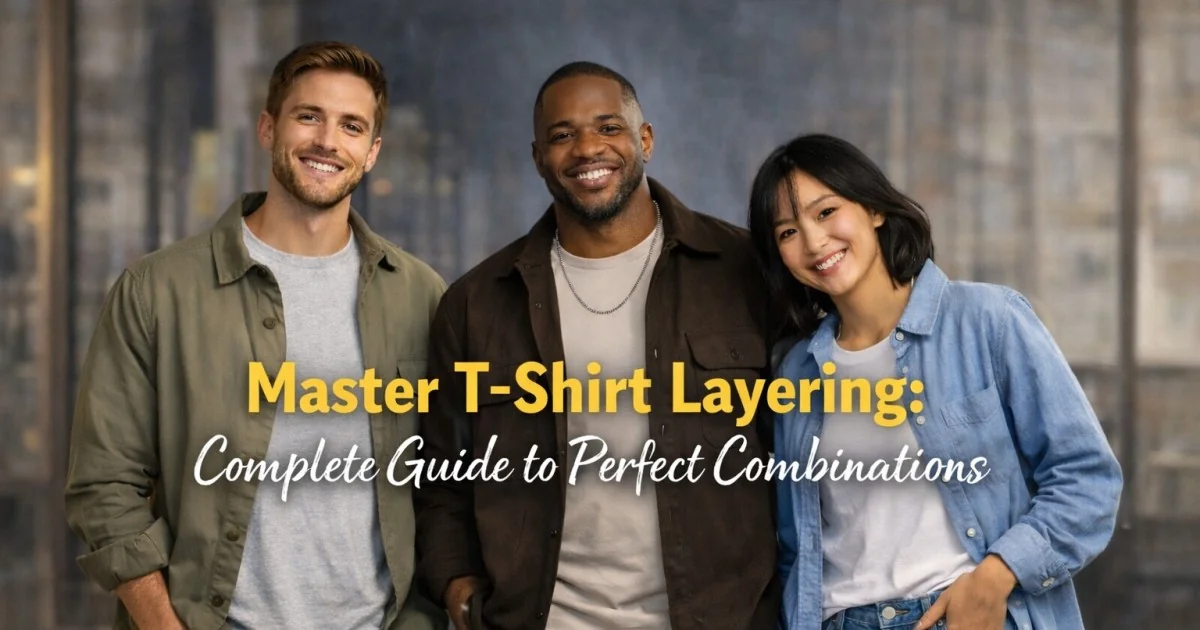
Oh girls, let me tell you about one of the most underrated styling secrets I've discovered in my twenty years of fashion blogging: proper t-shirt layering. I know it sounds simple it's just putting one shirt on top of another, right? But the differen...
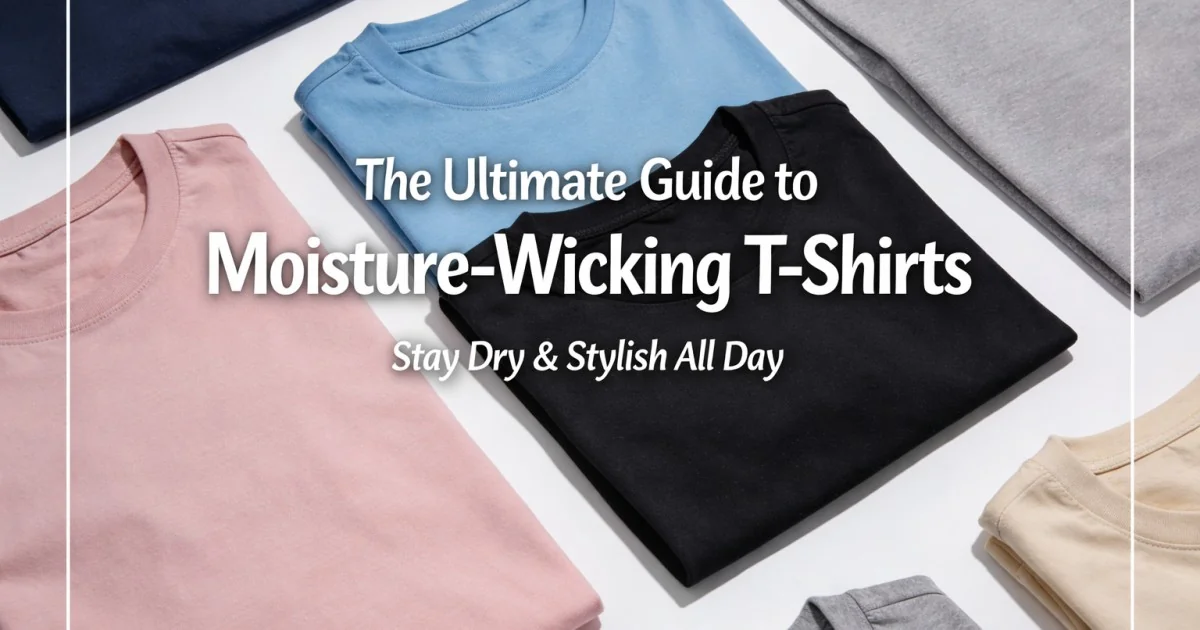
Oh sweetheart, if there's one thing I've learned after twenty years of fashion blogging and honestly, after about two decades of just being a woman living in the real world it's that sweat marks are nobody's friend. I've watched incredibly stylish wo...
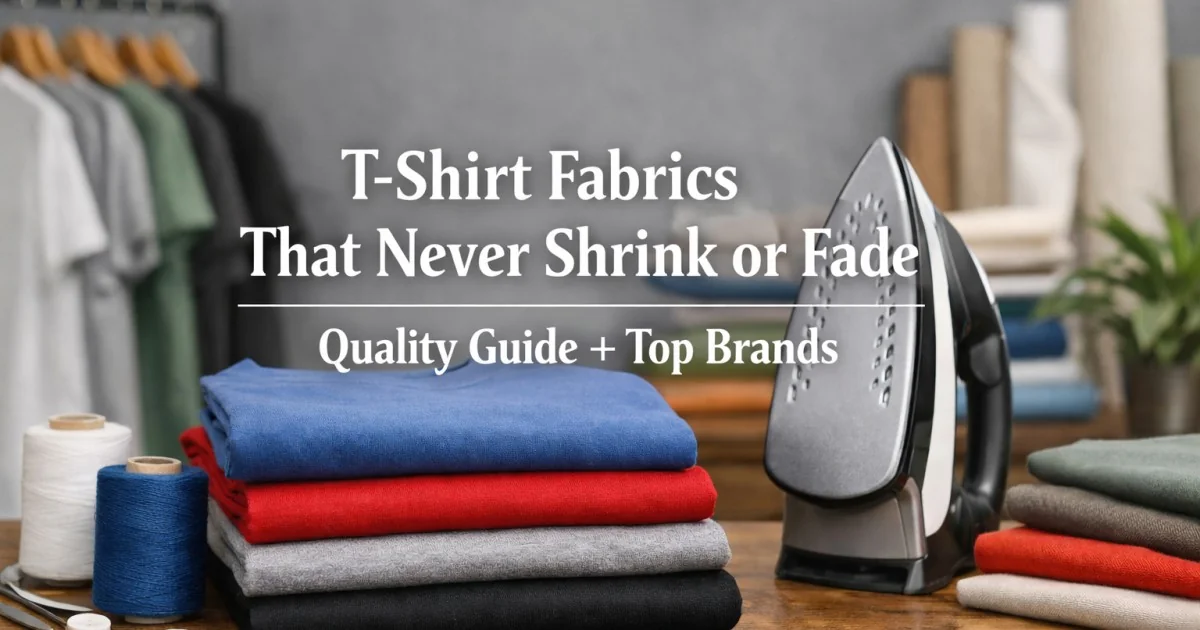
Oh honey, if there's one thing that's broken my heart more times than I care to admit, it's pulling a beloved t-shirt out of the dryer only to discover it's shrunk two sizes or the color has faded to some unrecognizable shadow of its former glory. I'...
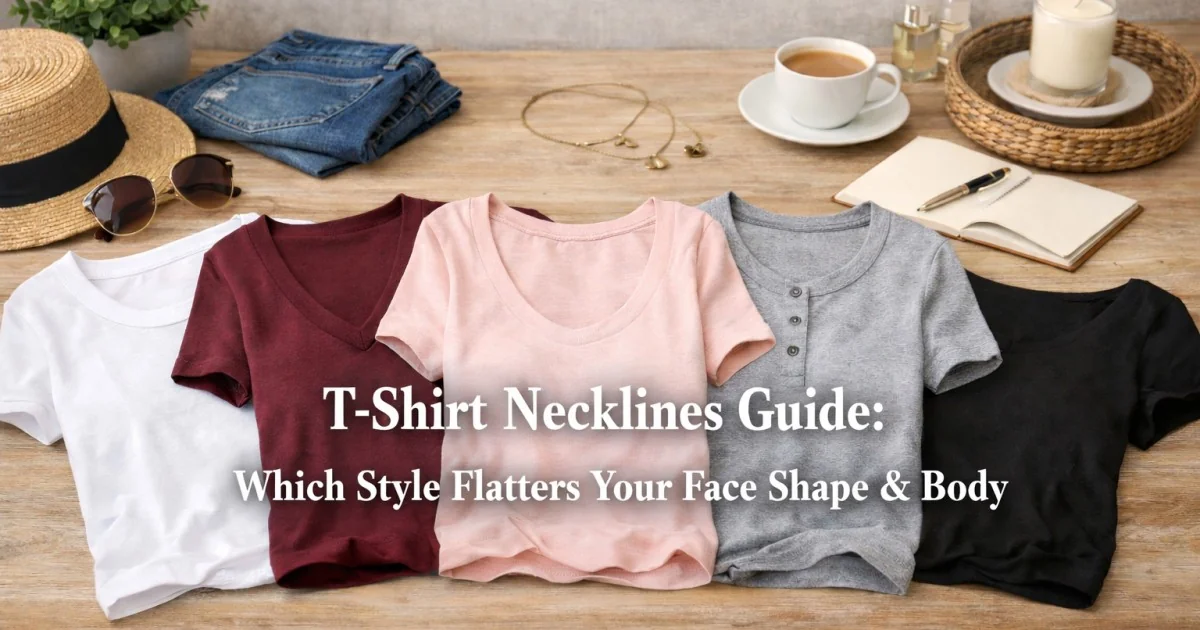
Girls, let me tell you about something I've spent way too much time thinking about over my twenty years of fashion blogging: necklines. Seriously, I have spreadsheets. I've taken thousands of mirror selfies. I've literally changed my entire face just...
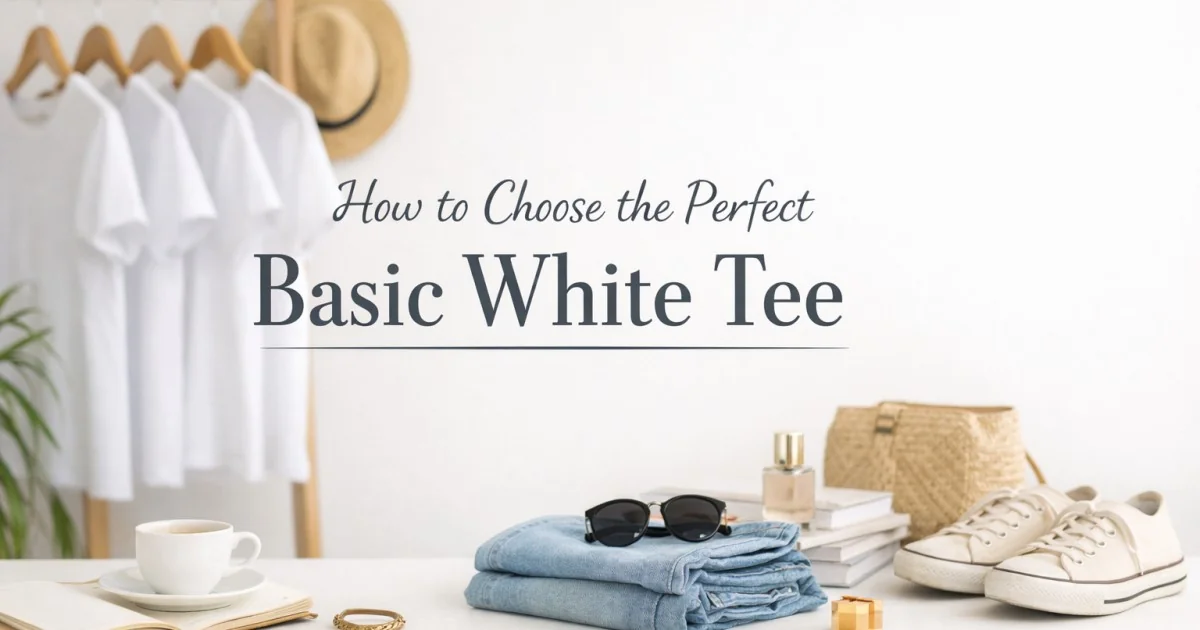
Sweet friend, let me tell you about the most deceptively simple wardrobe item I've ever obsessed over: the basic white t-shirt. I know, I know it sounds boring. You're probably thinking, "Sarah, it's just a white tee, how complicated can it be?" But ...
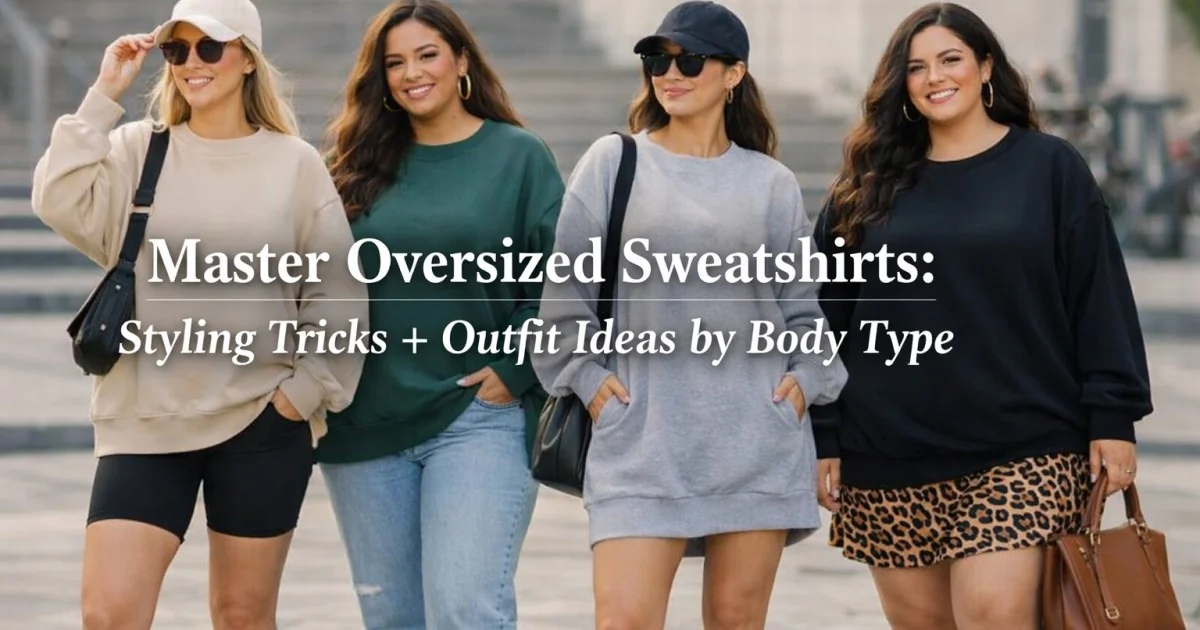
Oh sweetie, oversized sweatshirts have been my love language for almost twenty years. There's something about pulling on a sweatshirt that's intentionally roomy not in a "oops, I grabbed the wrong size" way, but in that deliberate "this is my comfort...
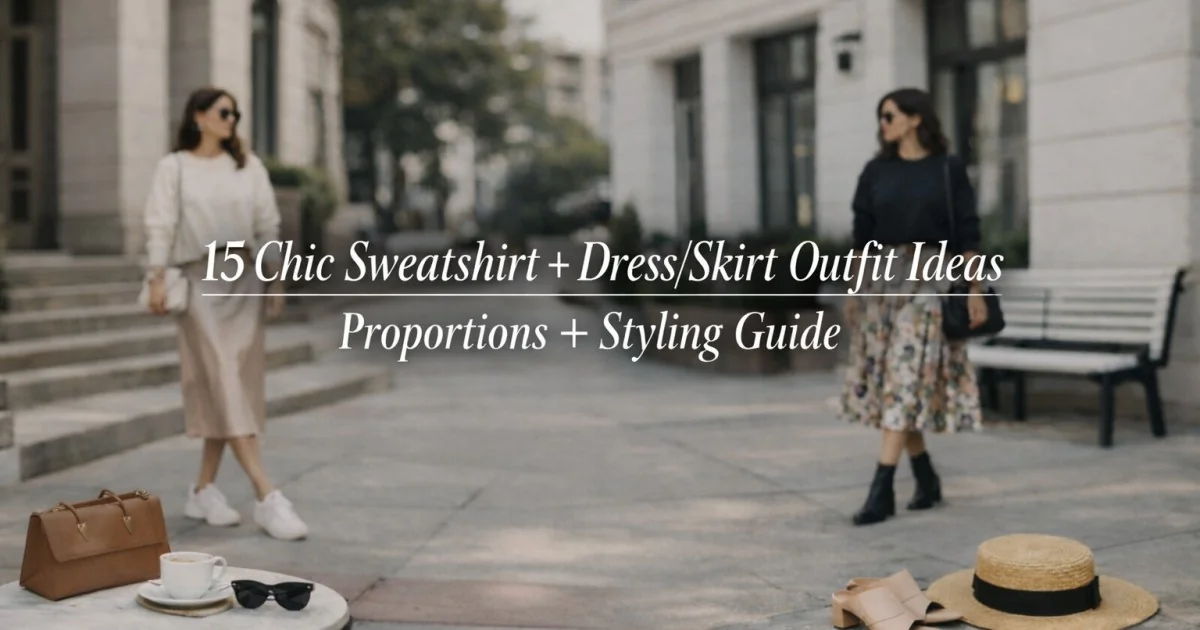
Oh girls, if there's one styling trick that's been my secret weapon for almost twenty years, it's sweatshirts with dresses and skirts. It's that perfect "I'm comfortable but I also look like I tried" magic that turns a lazy weekend into effortlessly ...

Sweetheart, if you've ever pulled on a new sweatshirt only to spend the whole day scratching, adjusting, or feeling that subtle itch you can't quite place, I need you to know something important: you are not alone, and it doesn't have to be this way....
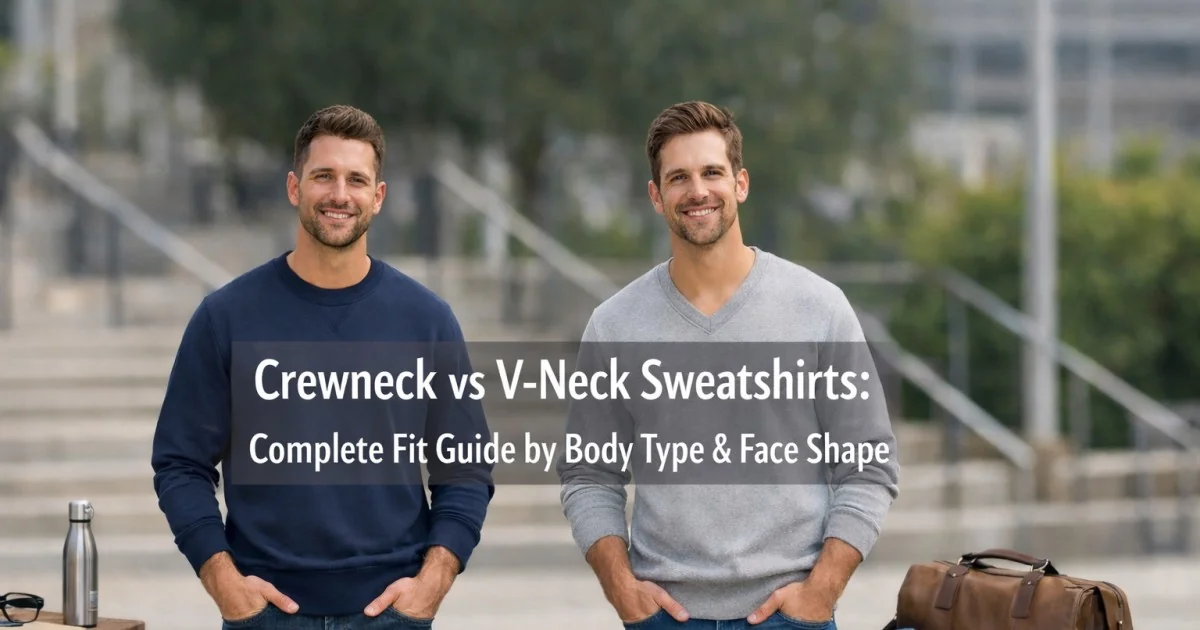
Sweet friends, let me take you back to one of my very first reader dilemmas almost twenty years ago: "Sarah, I love sweatshirts but every crewneck makes me feel like I'm wearing my dad's old college gear, and V-necks feel too revealing for cozy cloth...
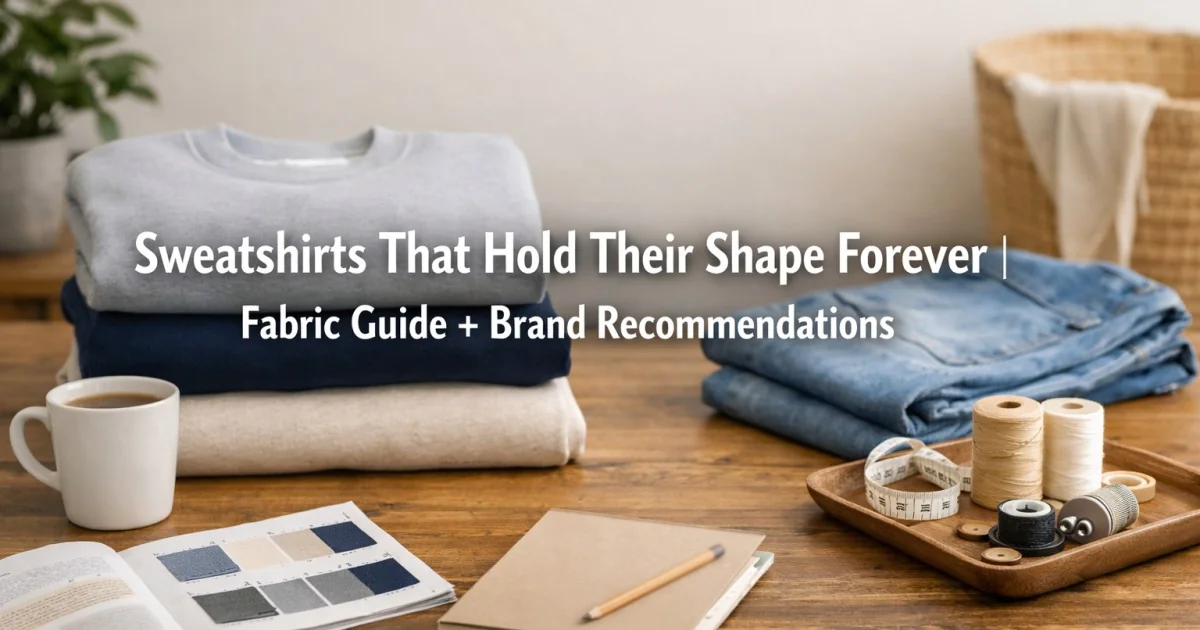
Girls, let me tell you about the absolute tragedy of a once-perfect sweatshirt that turns into a shapeless sack after just a few washes. I've heard this story from hundreds of readers over my twenty years of fashion blogging: "Sarah, I loved it so mu...

Girls, let me tell you if there's one clothing item that has saved my travel sanity more times than I can count, it's the right hoodie. I've been hopping planes, trains, and Ubers for almost twenty years now, from weekend getaways to month-long blog ...