How to Layer Sweatshirts Without Looking Bulky
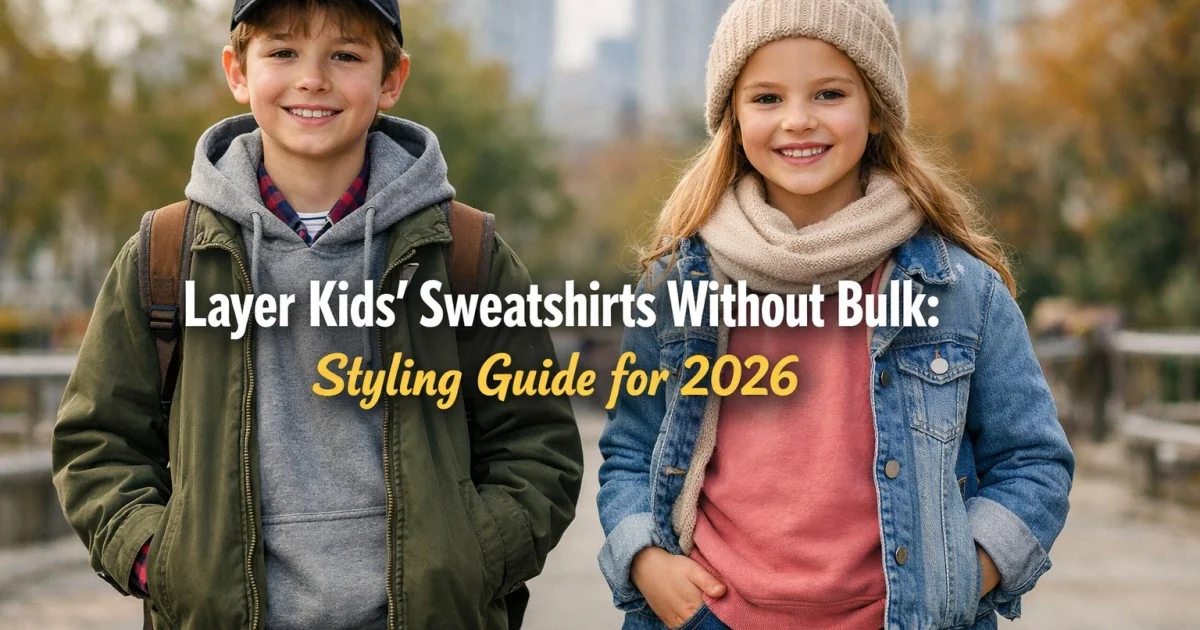
Layering is genuinely one of the most misunderstood aspects of dressing kids for variable weather. I've watched parents layer their children in ways that created massive, overwhelming silhouettes making kids look almost twice their actual size. I've also watched smart parents use specific strategies that create warmth while maintaining a streamlined, intentional appearance. The difference isn't about buying different clothes; it's about understanding how to layer them properly.
The truth is that proper layering should actually be more efficient than buying heavy, oversized pieces. Multiple thin, breathable layers trap warm air between them, providing better insulation than a single bulky layer. The key is understanding which pieces to choose, how to fit them properly, and what specific combinations work without creating bulk.
So let me walk you through exactly how to layer sweatshirts and other pieces without ending up with overwhelming, bulky silhouettes, from understanding the three-layer system to choosing slim-fit pieces to strategic combinations that look intentional rather than padded.
The Foundation: The Three-Layer System
Proper layering relies on understanding three specific layers, each serving a different purpose. When you understand these layers, you can create effective combinations without bulk.
Layer 1: The Moisture-Wicking Base Layer: This is the innermost layer, the one touching your child's skin. Its job is to wick moisture away from the body and keep the skin dry even when your child is active. This layer must be breathable and lightweight. The worst choice for a base layer is regular cotton, which absorbs moisture and holds it against the skin. The best choices are merino wool (which is surprisingly soft and breathable), polyester blends, or moisture-wicking synthetics. This layer should fit snugly think "second skin" but never so tight that it restricts movement. A properly fitting base layer feels secure and comfortable without being constricting.
Layer 2: The Insulating Mid-Layer: This is typically where your sweatshirt or fleece goes. Its job is to trap your child's body heat and provide warmth. This layer should be breathable so that moisture from activity can pass through it, but it should retain heat at the same time. Lightweight fleece, knitwear, and lightweight wool blends all work beautifully here. The key is choosing lightweight options, not heavy materials. A mid-layer should fit comfortably over the base layer with some breathing room for air circulation, but it shouldn't be loose or oversized. Think "comfortable," not "roomy."
Layer 3: The Protective Outer Layer: This is your wind-resistant or waterproof jacket. Its job is to protect your child from the elements. This layer can be a bit more fitted since it's going over everything else, or it can have more structured roominess. The key is that it should be breathable so that moisture from the inner layers can escape rather than getting trapped and making your child feel damp and clammy.
The Golden Rule: Thin to Thick
Here's the single most important principle for layering without bulk: layer from thin to thick as you move outward. This means the most lightweight, breathable materials are closest to your child's skin, and progressively thicker materials are on the outside. This approach accomplishes multiple things: it keeps the innermost layer against skin from getting sweaty, it allows air to circulate, and it prevents bulk by putting the thinnest materials where they'll be most visible.
This is the opposite of what many people instinctively do. They put a heavy sweater as a base layer and a lighter jacket on top, which creates bulk and doesn't work efficiently. Instead, think about building outward from thin to thick, and your layers will look sleek while providing maximum warmth.
The Most Critical Detail: Choosing Slim-Fit Sweatshirts
If you want your layering to avoid bulk, the sweatshirt you choose matters enormously. A slim-fit, tailored sweatshirt is dramatically better for layering than an oversized or even standard-fit piece.
Why Slim-Fit Works: A slim-fit sweatshirt follows your child's actual body contours without excess fabric bunching around the torso or sleeves. When you layer a slim-fit sweatshirt under a jacket or over a base layer, it creates a streamlined appearance. You get the warmth benefit of the sweatshirt without the visual bulk of extra fabric.
Oversized Sweatshirts: The Bulk Problem: Oversized sweatshirts have their place they're cozy for lounging, they're comfortable for certain styles, and many kids love them. But oversized sweatshirts are genuinely terrible for layering because all that extra fabric creates volume and bulk. If you layer an oversized sweatshirt under a jacket, you're working against yourself, creating a bulky silhouette. If you wear an oversized sweatshirt as your outermost layer, you're making your child appear significantly larger than they actually are.
Standard-Fit Sweatshirts: The Middle Ground: A standard-fit sweatshirt (not slim, not oversized) is the practical middle ground. It provides comfort without excess fabric. Standard fit works perfectly well for layering, though it won't be quite as sleek as a slim-fit option.
My recommendation: if you're buying sweatshirts specifically for layering, prioritize slim-fit. If you're buying one versatile sweatshirt, standard fit is fine. Avoid oversized for layering purposes.
Fabric Weight: The Often-Overlooked Factor
Beyond style, the weight of the sweatshirt directly impacts bulk. A heavyweight, dense sweatshirt creates visible bulk. A lightweight sweatshirt layers almost invisibly.
Lightweight Sweatshirts (180-220 GSM): These are perfect for layering. They provide warmth without significant bulk. A lightweight sweatshirt under a jacket barely increases the overall volume. Lightweight sweatshirts also tend to be more breathable, which is important in a mid-layer. If you're building a layered wardrobe specifically for avoiding bulk, lightweight sweatshirts are your foundation.
Standard Weight (220-280 GSM): Standard-weight sweatshirts are decent for layering but noticeably thicker than lightweight options. They're not prohibitively bulky, but they do add more volume than lightweight pieces.
Heavyweight (280+ GSM): Heavyweight sweatshirts are genuinely problematic for layering. They add significant bulk and are difficult to wear under jackets without creating an oversized appearance. Heavyweight sweatshirts are better worn as standalone pieces in cool weather rather than as part of a layered system.
Proportions and Length: Creating Visual Streamlining
Beyond the sweatshirt itself, how pieces relate to each other in length and proportion dramatically affects whether a layered look appears intentional and streamlined or accidental and bulky.
The Longer-Under-Shorter Rule: A longer shirt under a shorter jacket creates a streamlined appearance. For example, if your child is wearing a longer base layer t-shirt under a slim-fit sweatshirt, which is then layered under a cropped jacket, the length variation creates visual interest and prevents a blocky appearance. Conversely, if all three pieces are similar lengths, you end up with a visually confusing bulk that doesn't look intentional.
Avoid Similar Lengths: When layering, don't choose pieces that are all similar lengths. This creates a stacked, blocky appearance that emphasizes bulk. Instead, vary the lengths intentionally. A shorter jacket over a mid-length sweatshirt over a longer base layer creates proportion and looks intentional.
Sleeve Consideration: Pay attention to sleeve lengths too. If you're layering a long-sleeve base under a short-sleeve sweatshirt under a jacket, the long sleeves showing at the wrists actually help break up the horizontal bulk and create visual variety. This is intentional styling that reduces the appearance of bulk.
Color Strategy: Making Bulk Less Visible

Color choices dramatically impact whether layers appear bulky or intentional.
Monochromatic (All One Color Family): Dressing your child in all neutrals or all one color family creates a streamlined appearance. Navy sweatshirt over navy base layer with a navy or dark outer layer creates an unbroken line visually, which is slimming. This approach minimizes the visual separation between layers and makes bulk less apparent.
Darker Outer Layers Are Slimming: The outermost layer is what people see first. If the outermost layer is dark (navy, black, dark gray, dark green), it has a naturally slimming effect. A light-colored outer layer over darker layers draws more attention to the bulk.
Color Blocking Strategically: You can use color blocking intentionally to create visual lines that minimize bulk. A vertical stripe or a color block down the center creates the illusion of height and slimness. Random color blocking throughout the layers just emphasizes the bulk.
Material Quality and Texture: The Subtle Difference
The specific materials you choose affect not just warmth but visual bulk.
Merino Wool Base Layers: Merino wool is surprisingly soft and breathable, and it compresses more than synthetic materials. A merino wool base layer under a sweatshirt creates less bulk than a synthetic base layer would. If minimizing bulk is your priority, merino wool is worth the investment for base layers.
Fleece Mid-Layers: The Caution: Fleece is wonderfully warm and breathable, but polyester fleece can be fluffy, which adds perceived bulk. A lightweight fleece works better for layering than a thick fleece. Additionally, fleece under an outer layer can sometimes create a puffy appearance if not carefully selected. A knit sweater might create less bulk than fleece in some cases.
Texture Variation: Combining different textures smooth material next to slightly textured next to matte creates visual interest that prevents the "blob" appearance of multiple similar-textured pieces. A smooth base layer, textured mid-layer, and matte outer layer looks intentional. Three fluffy pieces look bulk.
The 2026 Trend: Fake Layering
An interesting trend emerging in 2026 is the concept of "fake layering" single garments designed to appear layered without actual layering bulk. These use color-blocking, mixed materials, and visual separation to create the appearance of layered clothing within a single piece.
For parents concerned about bulk but wanting the visual effect of layering, these pieces are genuinely clever solutions. A single sweatshirt with a color-blocked design that looks like two pieces layered together gives you the visual effect of layering without the actual bulk. Worth exploring if that aesthetic appeals to you and your child.
Temperature Regulation: Why Thin Layers Actually Win
Here's a counterintuitive fact: multiple thin layers provide better warmth than a single thick layer, while creating less bulk visually. This is because the air trapped between thin layers insulates more effectively than the material of a single thick piece. Your child is also more comfortable because they can remove a layer if they get too warm rather than being locked in a thick piece that causes overheating.
So the strategy of using thin, lightweight layers isn't just about avoiding bulk it's actually more effective for temperature regulation. Three thin, breathable layers keep your child warmer and more comfortable than two thick pieces would. This is the sweet spot where practicality and aesthetics align perfectly.
Practical Layering Combinations for Different Seasons
Spring/Fall (Cool but Not Cold): Base layer (lightweight moisture-wicking) + slim-fit lightweight sweatshirt + lightweight cardigan or windbreaker. This combination provides warmth without bulk and allows easy removal as temperature changes.
Winter (Genuinely Cold): Thermal base layer (merino wool) + mid-weight sweatshirt (slim-fit preferred) + waterproof/windproof jacket. This combination traps warmth effectively while maintaining relatively streamlined appearance.
Variable/Unpredictable Weather: Lightweight base + lightweight hoodie + light jacket. This allows maximum flexibility for temperature changes and removal as needed.
Common Mistakes That Create Bulk
Mistake 1: Using Oversized Pieces at Every Layer: Oversized at every level creates exponential bulk. Stick to fitted or standard-fit pieces for layering.
Mistake 2: Too Many Heavy Materials: A heavyweight base, heavyweight mid-layer, and heavyweight outer layer creates the "puffy suit" appearance. Use lightweight materials as your foundation.
Mistake 3: Ignoring Sleeve Length: Long sleeves from a base layer visible at the wrist can look awkward if not intentional. Plan sleeve visibility as part of your layering strategy.
Mistake 4: All Similar Colors Throughout: While monochromatic can work, too many subtle color variations between layers can look confused. Either go fully monochromatic or use clear color blocking.
Mistake 5: Using Regular Cotton as a Base: Cotton absorbs moisture and creates that damp, clingy feeling that looks unflattering and uncomfortable. Always use moisture-wicking materials as your base.
The Bottom Line: Strategy Over Pieces
Layering without bulk isn't about buying different clothes. It's about understanding how to combine the pieces you have strategically. Choose slim-fit or standard-fit sweatshirts. Use lightweight materials. Build from thin to thick. Pay attention to proportions and length. Use color strategically. With these principles, you can layer your child for any weather without creating overwhelming, bulky silhouettes. Your child stays warm, stays comfortable, and looks intentionally styled rather than overstuffed.
