How to Tuck a T-Shirt for Different Outfit Styles
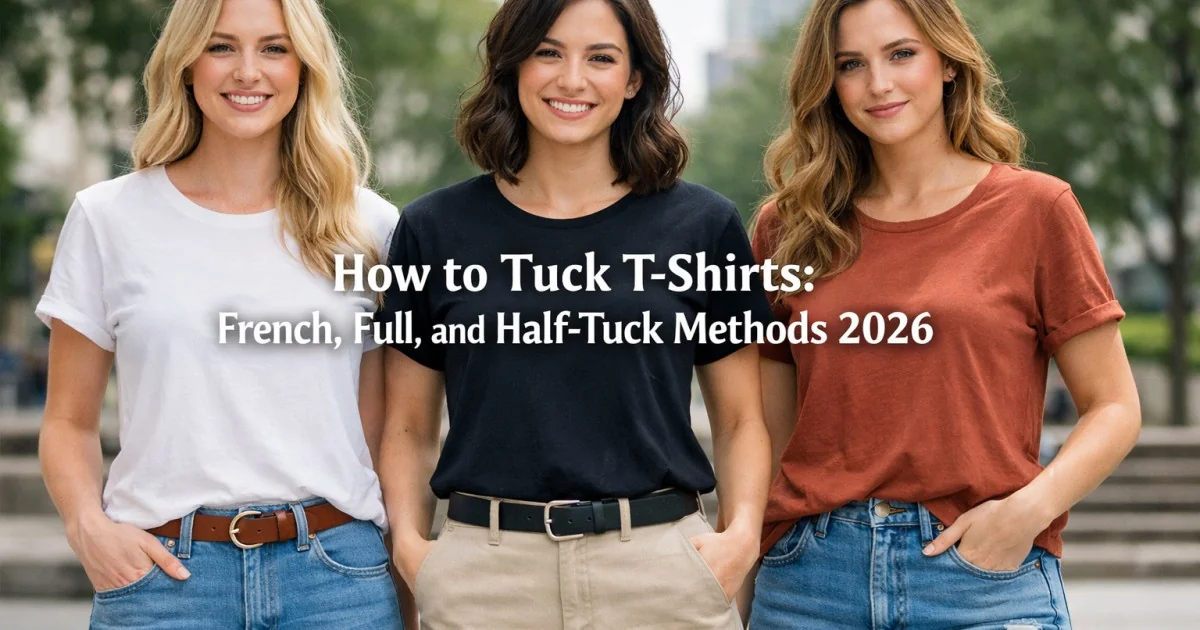
I've learned that tucking is one of the most underestimated styling tools in anyone's wardrobe. I've watched people struggle with how to make a t-shirt work in different contexts sometimes needing structure for professional settings, sometimes wanting casual elegance, sometimes seeking shape without effort. I've also watched others master the art of tucking and discover that the same t-shirt transforms completely depending on which tucking method they use.
The truth is that tucking is genuinely transformative. The same t-shirt tucked differently creates entirely different outfits, proportions, and vibes. A full tuck creates polished formality. A French tuck creates effortless elegance. A side tuck creates casual confidence. Understanding different tucking methods and when to use each one allows you to get maximum versatility from your t-shirt collection while creating the specific aesthetic and proportions you want.
So let me walk you through exactly how to master different t-shirt tucking techniques, from understanding the specific methods to knowing which works best for different outfit styles, to practical considerations that make each tuck work beautifully.
The Foundation: Why Tucking Matters
Before diving into specific tucking methods, understanding why tucking matters fundamentally changes how you approach it.
Creates Definition: Tucking creates visual waist definition by showing where your actual waist is. An untucked t-shirt can make your silhouette appear like one long line. Tucking divides that line, creating proportion and visual interest.
Adjusts Proportions: Tucking adjusts how an oversized or long t-shirt proportions on your frame. What might be overwhelming oversized becomes intentionally styled through strategic tucking.
Changes Formality Level: Different tucking methods communicate different formality levels. Full tuck reads polished and professional. French tuck reads effortlessly chic. Untucked reads casual. The tucking choice signals the vibe you're creating.
Elongates Legs: Tucking shortens the visual length of your torso, which elongates the appearance of your legs. This is particularly valuable for petite frames.
The Full Tuck: Maximum Polish and Structure
The full tuck tucking your entire t-shirt into the waistband all the way around is the most formal and structured tucking option.
How to Execute a Full Tuck: Tuck the entire t-shirt into your waistband, working from front to back and ensuring the fabric lies smooth and flat all the way around. The key is smoothing as you go so you don't create bunching or bulges. Take time to ensure the tuck is even and the fabric sits naturally in the waistband rather than being yanked uncomfortably tight.
Best For: Professional and business-casual settings, office wear, more formal occasions, creating clean lines and polished proportions. Full tuck is the choice when you want maximum structure and formality.
Ideal Bottoms Pairing: Full tuck works beautifully with high-waisted bottoms, tailored trousers, structured jeans, and any bottoms where the waistband is a feature you want to highlight. High-waisted bottoms create the most flattering proportions with a full tuck.
Body Type Consideration: Full tuck works particularly well if you have a defined waist or want to emphasize waist definition. If you're self-conscious about your midsection, the full tuck might feel too exposing a French or side tuck might be more comfortable.
Comfort Note: A properly executed full tuck should feel secure but not restrictive. If your t-shirt is pulling uncomfortably, the tuck is too tight. Adjust until you find the balance between security and comfort.
The French Tuck: Effortless Elegance
The French tuck also called the front tuck or half-front tuck is arguably the most versatile and transformative tucking method. This method tucks only the front center portion of the shirt while leaving the back hanging loose.
How to Execute a French Tuck: Grab approximately the bottom 2 inches (the width of your palm) of the center front of your t-shirt. Tuck this portion into your waistband between the center front two belt loops. The key is keeping it relatively centered and not pulling too much fabric into the tuck. You want the back of the shirt to hang naturally while the front shows intentional tucking. Smooth the sides as you go so the transition from tucked to loose looks natural rather than bunchy.
The Refinement: Once you've done the initial tuck, use both hands to smooth and adjust the fabric. Let it drape naturally over your hips. Some people prefer the front to drape more loosely, others prefer it more fitted. Experiment to find your preference.
Best For: Casual-to-dressy occasions, everyday wear that needs polish without formality, creating effortless chic, modern contemporary styling. French tuck is genuinely versatile enough for nearly any context from casual weekend to business casual.
Ideal Bottoms Pairing: French tuck works beautifully with virtually any bottoms jeans, trousers, skirts, anything really. It's particularly effective with high-waisted bottoms, which create elongating proportions, but works with mid-rise and low-rise as well.
Body Type Advantage: French tuck is exceptionally flattering because it shows waist definition without being as exposing as a full tuck. If you're self-conscious about your midsection, French tuck provides coverage while still creating shape. The draping hides what you want hidden while emphasizing what you want emphasized.
Why Fashion Experts Love It: French tuck has become the go-to method recommended by stylists because it's nearly universally flattering, works across multiple body types, and creates an intentional, polished look without feeling formal. It's the bridge between casual and dressy.
The Half Tuck (Side Tuck): Casual Confidence
The half tuck or side tuck involves tucking one side of your t-shirt while leaving the other side hanging loose. This creates an asymmetrical, intentionally casual look.
How to Execute a Half Tuck: Grab one side of your t-shirt (your choice which side usually the right side, but it doesn't matter) and tuck approximately 2-3 inches of fabric into your waistband. Leave the opposite side hanging completely loose. You can tuck directly into the waistband or to one side of your pants opening. The asymmetry is intentional.
Adjustment Tips: Make sure the tucked side lies flat and smooth. The untucked side should hang naturally. This isn't about perfect symmetry it's about intentional asymmetry that reads as styled rather than accidental.
Best For: Casual weekend wear, creative and contemporary styling, situations where you want some definition without full formality. Half tuck is the choice when you want to look styled but not overdone.
Ideal Bottoms Pairing: Half tuck works best with skinny jeans, slim-fit bottoms, or anything that allows the asymmetry to read as intentional rather than odd. Very wide or relaxed-fit bottoms can make half tuck look accidentally messy rather than styled.
Who It Flatters: Half tuck is particularly great for people self-conscious about their midsection because the hanging side provides coverage while the tucked side creates the definition that's flattering. It's a good compromise between full coverage and full exposure.
Contemporary Aesthetic: Half tuck reads as modern and fashion-forward. It's trending in 2026 as part of the intentional, styled-but-casual aesthetic that contemporary fashion favors.
The Butterfly Tuck: The Elegant Knot
The butterfly tuck, also called the tie or knot tuck, involves tying the two front ends of your t-shirt together, creating a defined waist and shortened silhouette.
How to Execute a Butterfly Tuck: Take the two front hemlines of your t-shirt and tie them together in a knot or bow at approximately your natural waist. You're essentially gathering excess fabric and securing it with a knot. The knot creates a defined waist while the tied-together ends drape naturally.
Best For: Casual, playful styling, crop-top effects on longer t-shirts, creating defined waist without actual tucking, weekend and social occasions. Butterfly tuck is the choice when you want intentional styling and shape with a slightly playful edge.
Body Type Consideration: This works particularly well for rectangular or athletic body shapes because the knot creates the waist definition that these frames don't naturally have. It's less ideal if you're self-conscious about your midsection since the knot deliberately shortens and emphasizes that area.
Seasonal Appropriateness: Butterfly tuck works best for warmer months and casual settings. It has a summery, relaxed vibe that fits warm-weather dressing beautifully.
The Twist Tuck: Hidden Security

The twist tuck involves twisting excess fabric and tucking just the twisted portion, creating a secure tuck that appears subtle from the front.
How to Execute a Twist Tuck: Grab the back portion of your t-shirt and twist it until you have manageable twisted fabric. Tuck just the twisted portion into your waistband at the back. This keeps your t-shirt secure without visible tucking from the front.
Best For: Situations where you want security without visible tucking, active wear where t-shirts need to stay in place, any context where you want the comfort and practicality of tucking without the aesthetic of visible tucking.
Why It's Clever: Twist tuck provides the functionality of a full tuck (keeping the shirt secure and creating definition) with a more casual aesthetic because the front isn't noticeably tucked.
The Crossover Tuck: Elegant Draped Effect
The crossover tuck involves crossing one side of your t-shirt over the other and tucking everything in, creating elegant diagonal lines and draped effect.
How to Execute a Crossover Tuck: If your t-shirt buttons, leave the buttons undone (or partially undone). Take one side and cross it over the other, creating an overlap. Then tuck everything together into your waistband. This creates elegant diagonal lines and a defined waist with sophisticated draping.
Best For: Creating sophisticated, elegant looks, special occasions with casual attire, situations where you want to add visual interest and elegance. Crossover tuck is the choice when you want something more elegant than standard options.
Visual Effect: Crossover tuck creates diagonal lines that are visually flattering and elongating. The diagonal line draws the eye downward and makes the silhouette appear longer.
Tucking Method Comparison Table
| Tuck Method | How It Works | Formality Level | Visibility | Best For | Body Type Advantage |
|---|---|---|---|---|---|
| Full Tuck | Entire shirt tucked into waistband all around | Most formal/professional | Completely visible waistband | Office, professional settings, maximum structure | Defined waist emphasis |
| French Tuck | Front center portion tucked, back hanging loose | Casual to business-casual | Intentional front tuck, loose back | Everyday wear, most versatile option | All body types, covers midsection |
| Half/Side Tuck | One side tucked, opposite side hanging loose | Casual/contemporary | Asymmetrical tuck | Weekend wear, styled-casual occasions | Self-conscious about midsection, asymmetry flatters |
| Butterfly/Knot Tuck | Front ends tied together in knot | Casual/playful | Knot at waist, shortened silhouette | Warm weather, casual occasions, creating crop effect | Rectangle/athletic shapes needing waist definition |
| Twist Tuck | Back portion twisted, tuck hidden at back | Casual with functional security | Not visible from front | Active situations, want tuck function without aesthetic | All body types, practical solution |
| Crossover Tuck | One side crossed over other, entire thing tucked | Sophisticated/elegant | Diagonal lines visible, elegant effect | Special occasions, elegant casual, adding interest | Creates elongating diagonal lines |
Tucking Considerations by Outfit Type
Business/Professional Outfits: Full tuck is appropriate. You want maximum polish and structure. Pair with tailored trousers, structured jeans, or professional bottoms.
Business Casual Outfits: French tuck or full tuck work. French tuck offers polish with slightly less formality. Pair with chinos, professional jeans, or trousers.
Casual Weekend Outfits: French tuck, half tuck, or butterfly tuck all work. French tuck remains the most universally flattering. Pair with jeans, casual bottoms, or skirts.
Date Night/Social Occasions: French tuck or crossover tuck create polished-casual elegance. Pair with statement bottoms or elevated casual pieces.
Active/Sporty Outfits: Twist tuck provides security without looking overdone. Pair with athletic bottoms or sporty jeans.
Oversized T-Shirt Styling: French tuck is essential for oversized tees. It prevents the overwhelming volume while maintaining the relaxed aesthetic. Butterfly or twist tuck also work beautifully for oversized pieces.
Fabric Considerations for Different Tucks
Lightweight Fabrics (Silk, Linen): Work beautifully with all tuck methods but may slip slightly. French or full tuck with smoothing helps keep lightweight fabrics in place. Butterfly tuck knot holds lightweight fabrics well.
Cotton and Blends: Most forgiving for all tucking methods. These fabrics hold tucks well and are easiest to work with for beginners learning tucking techniques.
Stretchy/Knit Fabrics: Work well with all methods. The stretch can make tucking slightly easier since fabric accommodates the tuck without bunching.
Structured Fabrics: Hold tucks very cleanly. These fabrics are ideal if you want tucks to look polished and intentional without much adjustment.
Bottoms Pairing Strategy
High-Waisted Bottoms: Work beautifully with all tuck methods. High waist is the most flattering for tucking as it creates elongating proportions.
Mid-Rise Bottoms: Work with all tuck methods but are slightly less flattering than high-waist. Still create good proportions.
Low-Rise Bottoms: Full tuck can look awkward. French, half, or other less-full tucks work better. Low rise creates less flattering proportions with full tucks.
Wide or Relaxed Pants: Half tuck can look accidentally messy. Full tuck or French tuck work better with wider bottoms as they create cleaner lines.
Skirts: All tuck methods work with skirts. French tuck and full tuck are most common and flattering with skirt silhouettes.
2026 Tucking Trends
In 2026, the French tuck remains the dominant and most recommended tucking method, representing the balance between casual and polished that contemporary fashion favors. Half tucks and butterfly tucks are increasingly popular as intentional, styled choices reflecting contemporary fashion's embrace of asymmetry and intentional styling. Full tucks remain professional standard but are less common in purely casual contexts.
The Bottom Line: Mastering Your Tuck
Different t-shirt tucking methods create completely different outfits, proportions, and vibes from the same piece. Full tuck creates maximum polish and structure. French tuck creates effortless elegance and is nearly universally flattering. Half tuck creates casual contemporary style. Butterfly tuck adds playful sophistication. When you master multiple tucking methods and understand which works best for your body type, your outfit context, and your desired aesthetic, you transform how versatile your t-shirt collection becomes. A single t-shirt, tucked different ways, creates multiple completely different outfits.
