The Complete Guide to Durable Kids' Sweatshirts
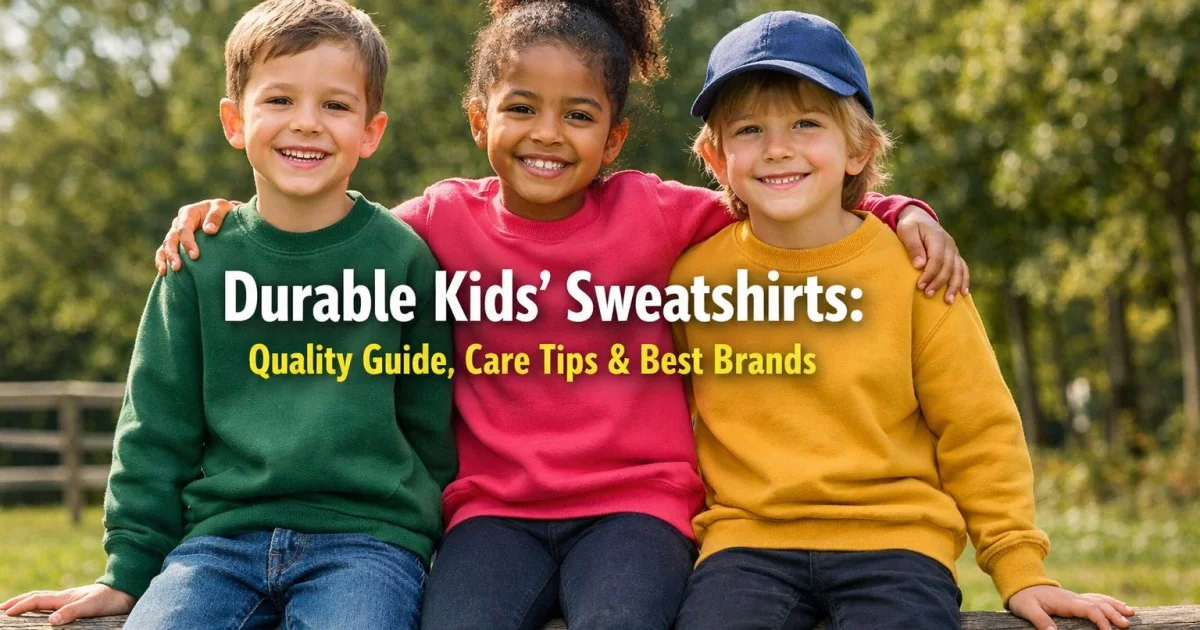
If you've been writing about fashion and children's clothing for nearly two decades like I have, you start to develop a very clear understanding of what matters when it comes to durability. And I'll be honest with you: not all sweatshirts are created equal, and the difference between one that falls apart after a season and one that lasts through multiple children can literally be measured in the details of how it's constructed.
Here's what I've learned through years of testing, wearing, washing, and watching kids absolutely demolish their clothing through normal play: a truly durable sweatshirt is an investment that pays for itself. A well-made sweatshirt that lasts three or four seasons, that can be handed down to younger siblings, that looks good even after dozens of washes, is worth paying a bit more for upfront. Because replacing cheap sweatshirts every season ends up costing far more than buying quality once.
So let me walk you through everything I know about choosing, caring for, and maintaining sweatshirts that will actually last your children through real childhood the climbing, the jumping, the spilling, the constant activity, and the relentless washing that comes with kids' clothing.
Fabric Weight and Composition
The foundation of a durable sweatshirt starts with the fabric, and there's far more to understand here than just "it should be soft."
Fabric weight, measured in ounces or grams per square meter (gsm), is one of the most important durability factors. A lightweight sweatshirt might be 6-8 ounces, which is fine for mild weather but tends to wear thin quickly. A midweight sweatshirt 8 to 10.5 ounces is the sweet spot for durability. It's substantial enough to hold up to wear and washing without being so heavy that it's uncomfortable or restrictive for kids. A heavyweight sweatshirt, 10.5 ounces and up, is extremely durable but might be more sweatshirt than kids actually need for everyday wear unless they're in genuinely cold climates or doing heavy outdoor activity.
In terms of GSM, you're typically looking at midweight fabrics in the 250-350 GSM range being the most practical for kids' sweatshirts. These will last multiple seasons if cared for properly.
Now, the fabric composition is equally crucial. A 100% cotton sweatshirt sounds appealing because cotton is soft and breathable, but here's the reality: pure cotton shrinks, it loses its shape over time, and it actually wears faster than a quality blend. The fibers break down more easily with repeated washing. I've seen 100% cotton sweatshirts that look tired and worn out after a single season of regular wear.
A 50/50 cotton-polyester blend is genuinely the goldilocks combination. You get the softness and breathability of cotton with the durability and shape-retention of polyester. The polyester helps prevent shrinking, resists fading, and maintains the sweatshirt's shape through countless wash cycles. This is what most quality kids' sweatshirts use, and there's a good reason for that.
A 70/30 cotton-polyester blend tips even more toward durability. It's slightly less soft against the skin but significantly more durable. Some athletic or performance kids' sweatshirts use this ratio because they prioritize longevity over maximum softness.
Pure polyester is the most durable option, but it feels less cozy against the skin and doesn't breathe as well. Unless you're specifically looking for maximum performance and durability over comfort, you probably don't want 100% polyester for everyday kids' sweatshirts.
French terry, which is becoming more popular, is a knitted cotton that has loops on one side and a smooth surface on the other. It's breathable, stretchable, and quite durable. It's a smart choice for kids because it combines comfort with resilience.
| Fabric Type | Weight (oz) | Softness | Durability | Shape Retention | Best For | Expected Lifespan |
|---|---|---|---|---|---|---|
| 100% Cotton | 6-9 | Excellent | Fair | Poor | Casual wear only | 1-2 seasons |
| 50/50 Cotton-Poly | 8-10.5 | Very Good | Excellent | Excellent | Most kids, all seasons | 3-4 seasons |
| 70/30 Cotton-Poly | 9-11 | Good | Excellent | Excellent | Active kids, durability priority | 3-4+ seasons |
| 100% Polyester | 7-9 | Fair | Excellent | Excellent | Performance, athletic wear | 3-4+ seasons |
| French Terry | 8-10 | Excellent | Very Good | Very Good | Fashion-forward kids | 2-3 seasons |
| Organic Cotton Blend | 8-11 | Excellent | Good | Good | Sensitive skin, eco-conscious | 2-3 seasons |
Construction Details That Separate Durable from Disposable
Here's where the quality really matters, and honestly, it's the difference between a sweatshirt that lasts and one that falls apart. The way a sweatshirt is actually put together the stitching, the reinforcement, the details is every bit as important as the fabric itself.
Seam Construction: The most important detail is double-needle stitching on the main seams. This means the seams are sewn twice, creating a much stronger, more durable stitch that resists splitting and tearing. Single-needle stitching is cheaper to do but fails much more easily, especially under the stress of active kids and repeated washing. When you're evaluating a sweatshirt, look at the side seams can you see that there are two parallel rows of stitching? That's what you want.
Reinforced Stress Points: Certain areas of a sweatshirt take more abuse than others. The underarms, the crotch (where the body attaches to the sleeves and torso), the cuffs, and the waistband are all high-stress areas. Quality sweatshirts have extra stitching reinforcement in these spots. Some premium brands use triple-stitching in stress areas. This extra stitching prevents the seams from tearing when your child is moving, reaching, jumping, and generally being active.
Cuff and Waistband Ribbing: The elastic ribbing at the cuffs and waistband needs to actually hold its elasticity through dozens of washes. Quality ribbing uses spandex or elastane blended with the cotton or polyester. After fifty washes, quality ribbing still has stretch and recovery. Poor ribbing becomes loose and baggy, making the whole sweatshirt look worn out. When you're looking at a sweatshirt, feel the ribbing. Does it feel stretchy and resilient, or thin and flimsy?
Hood Construction: A quality hood should be double-lined or at least have structured lining that prevents it from stretching out and becoming floppy. The drawstring should be secured with metal or quality plastic aglets (the little tips that prevent fraying). Metal grommets around the drawstring holes prevent those holes from tearing under stress. A poorly constructed hood can be one of the first things to fail on a cheap sweatshirt.
Neck Tape: Better sweatshirts have twill tape sewn into the neckline. This prevents the neckline from stretching out and getting distorted. Without this reinforcement, the neckline gradually stretches larger with each wash, making the whole sweatshirt look sloppy after a while.
Zipper Quality: If you're buying a zip-up sweatshirt, the quality of the zipper matters enormously. A quality metal zipper with a smooth slider and protective backing will last for years. A cheap plastic zipper can jam, break, or get stuck within a few months of regular use. This is one of those details where you really get what you pay for.
Quality Indicators You Can Assess Before Buying
Here's my practical advice for evaluating a sweatshirt in person or online before you buy it. These are the things I actually check.
The Light Test: If you're in a store, hold the sweatshirt up to a light source. A quality, durable sweatshirt should not be transparent. If you can see through it easily, the fabric is too thin and won't hold up well. The fabric should be opaque and substantial-feeling.
Seam Inspection: Look at the seams carefully. Are they straight and even? Do you see loose threads hanging off the seams? Loose threads indicate sloppy construction. Are the seams double-stitched? If you can see a single row of stitching, that's a red flag. Quality seams should look clean and professional.
Fabric Hand Feel: Run your hand over the fabric, inside and out. It should feel soft but substantial. It shouldn't feel thin, flimsy, or scratchy. If it feels cheap in your hand, it probably is cheap. Conversely, if it feels genuinely nice against your skin, that's a positive sign.
Ribbing Quality: Stretch the cuffs and waistband gently. Do they feel stretchy and resilient? Try to pull them and see how they respond. Quality ribbing snaps back immediately. Cheap ribbing feels loose and limp.
Color Evenness: Look at the color across the whole sweatshirt. Is it consistent and even? Or does it look blotchy or inconsistent? Uneven color indicates quality control issues.
Print or Design Quality: If there's a graphic, screen print, or embroidery, how well is it done? Are the edges clean? Does it look like it's going to crack or peel easily? Quality prints are secure and clean. Cheap prints look rough and will wear off quickly.
The Pilling Problem and How to Prevent It
If there's one thing that makes parents disappointed in sweatshirts, it's pilling those annoying little fuzz balls that develop on the surface of the fabric after a few washes. I hear about this constantly, and I want to be really clear about what causes it and what you can actually do about it.
Pilling happens because of friction. When fabric fibers rub against each other during washing and normal wear, the fibers break down, tangle together, and form little pills. It's physics, basically. Some fabrics are more prone to pilling than others. Knitted fabrics (which includes most sweatshirts) pill more than woven fabrics. Fabrics made from shorter fibers (which includes wool, cotton, and polyester) pill more than fabrics made from longer fibers like silk or linen.
The good news is that pilling is largely preventable with proper care, and even when it happens, it's fixable. Here's what I actually do to prevent pilling on my kids' sweatshirts:
First, wash them inside-out. This is genuinely important. When you wash a sweatshirt inside-out, the outside of the fabric doesn't rub against other garments as much, so it's less likely to pill. The inside, being hidden anyway, doesn't matter if it pills slightly.
Second, use cold water and a gentle cycle. High temperatures and aggressive agitation cause more friction and more pilling. Cold water and a gentle or delicate cycle are much kinder to the fabric.
Third, use a mild detergent and avoid fabric softener. This one surprises people, but fabric softener actually makes pilling worse because it coats the fibers and prevents them from releasing lint naturally. Use an enzyme-based detergent instead, which helps smooth the fibers and reduce pilling.
Fourth, turn off the dryer. Air-drying is your best friend for preventing pilling. The tumbling and heat of a dryer accelerates fiber breakdown. When I air-dry my kids' sweatshirts, they simply pill less.
If pilling does happen despite your best efforts and honestly, with active kids wearing sweatshirts regularly, some pilling is just going to happen you have options. A sweater stone (which sounds fancy but is literally just a pumice-like tool designed for this purpose) or a fabric shaver can remove the pills. A lint roller works in a pinch. Some people use the rough side of a lint remover. The pills aren't permanent or damaging to the sweatshirt; they're just cosmetic.
The Importance of Brand Reputation and Quality Standards
After testing sweatshirts from dozens of different brands, I can tell you that brand reputation matters, and there's a reason for it. Established brands like Carhartt, Champion, Nike, and Under Armour maintain quality standards because they've built their reputations on durability and performance.
Carhartt, for example, has built their entire business on making clothing that lasts. Their kids' sweatshirts use triple-stitching on main seams that's three rows of stitching, not two and substantial cotton-poly blends that are pre-shrunk. You're literally paying for a company that has a century of experience making things that last.
Champion basically invented the modern sweatshirt and has spent decades perfecting the formula. Their quality control is consistent. You buy a Champion sweatshirt and you know what you're getting.
Nike and Under Armour invest heavily in fabric technology and construction quality because their reputation depends on performance gear actually performing. They test their materials rigorously.
Budget brands and I'm not saying this judgmentally; budget brands have their place often cut corners on stitching, use thinner fabrics, and don't invest as heavily in quality control. That's how they keep prices low. But the trade-off is shorter lifespan.
My recommendation is this: invest in one or two quality midrange or premium sweatshirts from established brands in neutral colors that will work through multiple seasons. Then, if your budget allows, add a couple of more affordable options for seasonal or trendy pieces. The quality basics will last; the budget pieces probably won't, but that's acceptable for items you only expect to wear one season.
Care and Maintenance: How to Actually Make Them Last
Even the best-made sweatshirt won't last if you don't care for it properly. Conversely, a decent-quality sweatshirt that's properly maintained can last significantly longer. So let me share exactly how I care for my kids' sweatshirts to maximize their lifespan.
Washing: Always read the care label first. Every sweatshirt might have slightly different recommendations. Generally, though, I wash kids' sweatshirts in cold water on a gentle or delicate cycle. I use a mild detergent specifically one that's designed to be gentle on fabrics. I absolutely do not use fabric softener; it damages pilling resistance. I wash inside-out to protect any prints and minimize pilling. I sort by color to prevent dye transfer.
I don't recommend waiting too long between washes, but I also don't wash after every single wear if the sweatshirt isn't visibly dirty or sweaty. Frequent washing, even gentle washing, does contribute to wear and tear. Use your judgment. If it's been worn once for a few hours and doesn't need washing, let it air out and wear it again. If it's genuinely dirty or has been through active play, wash it.
Drying: This is where most people go wrong. The dryer is convenient, but it's hard on sweatshirts. I air-dry whenever possible. I lay the sweatshirt flat on a drying rack or hang it to dry. If I absolutely must use a dryer, I use the lowest heat setting and remove the sweatshirt while it's still slightly damp to prevent over-drying.
Never hang a sweatshirt on a hanger for extended storage because this stretches out the shoulders and can permanently distort the shape. Fold them for storage.
Stain Treatment: Deal with stains immediately before washing. For grass stains, I use cold water and a stain treatment spray. For grease, I treat it with a stain stick or spray. For sweat stains, a baking soda paste works wonders. Treating stains before washing increases the chance they'll come out without setting permanently.
Storage: I store sweatshirts folded in a cool, dry place. I keep them away from direct sunlight, which can fade colors. I make sure they're completely dry before storing to prevent mildew. I occasionally check on stored items, especially seasonal ones, to make sure they're not attracting moths or moisture.
Signs of Quality Construction vs. Red Flags
Let me give you a quick checklist of what to look for and what to avoid when evaluating a kids' sweatshirt for durability.
Green Lights (Quality Indicators):
Double or triple-stitched seams that are straight and even. Substantial fabric that's not transparent. Stretchy, resilient ribbing at cuffs and waistband. Double-lined hood. Metal grommets on drawstring holes. Quality zipper (if applicable) with smooth slider. Twill tape at neckline. Even, vibrant color. Clean, secure prints or embroidery. Finished seams without loose threads. Weight appropriate to climate (not too thin).
Red Flags (Quality Concerns):
Single-line stitching that appears thin or flimsy. Transparent or paper-thin fabric. Loose or limp ribbing. Single-layer hood. Plastic aglets on drawstrings. Cheap or misaligned zipper. Loose threads visible. Blotchy or uneven color. Rough or poorly applied prints. Raw edges on seams. Suspiciously low price point for a recognized brand (probably fake). Missing or illegible care labels. Loose buttons or snaps.
Budget Considerations: Getting Durability at Different Price Points
I know not every family can spend $70-80 on a kids' sweatshirt, and honestly, you don't need to. There's quality at every price point; you just need to know what to look for.
Budget Option ($15-30): At this price point, you're getting basics. Materials might be thin, stitching might be single-needle, ribbing might not be the most resilient. But brands like Gildan and Hanes use pill-resistant fabrics and decent construction, even at low prices. You can find quality basics here if you choose carefully. Expect 1-2 seasons of wear with proper care.
Mid-Range ($30-60): This is where quality really jumps up. Brands like Champion, Russell Athletic, and house brands from quality retailers offer excellent durability. Double-stitched seams, better fabric quality, spandex-reinforced ribbing. These sweatshirts will last 2-3 seasons for one kid or can be handed down. This is my recommended sweet spot for investment pieces.
Premium ($60+): At this price, you're getting top-tier construction, innovative fabrics, impeccable quality control, and sometimes specialty features. These sweatshirts can last 3-4+ seasons and are definitely hand-down material. Brands like Carhartt, Nike, Under Armour, and specialized kids' brands command these prices.
My actual strategy is buying one or two good quality midrange sweatshirts in neutral colors that I know will last, then supplementing with budget basics for everyday wear or seasonal pieces.
When to Repair vs. When to Replace
Sometimes a sweatshirt isn't quite done, even if something breaks. Knowing when a repair is worth it helps you maximize the life of your clothing.
Definitely Repair: Small holes or tears (sew them up immediately before they spread). Loose seams (re-stitch before they split completely). Loose buttons or snaps (secure or replace them). Broken drawstring (easy to replace). Pilling (use a fabric shaver). Faded print (still functional, just cosmetic).
Consider Repairing: Broken zipper (replacement is possible but costs money; evaluate if the sweatshirt is otherwise worth saving). Stretched out cuffs (a seamstress can take in the cuffs). Stains (usually fixable, especially if treated early).
Probably Time to Replace: Multiple areas of significant damage. Severely worn seams that are splitting in multiple places. Fabric that's thin and torn in several spots. Permanent stains that won't come out. Irreparable damage like large tears or holes. If the cost of repair approaches the cost of a new sweatshirt, replacement makes more sense.
Hand-Me-Downs and Extended Use
One of the biggest advantages of buying durable kids' sweatshirts is that they can transition through multiple children. This is where the investment really pays off.
A quality sweatshirt from a premium brand that lasts 3-4 seasons for one child can then be hand-me-downed to a younger sibling and last another 2-3 seasons. Now you're getting 5-7 years of use out of a single sweatshirt. Even if you paid $65 for it, that's less than $10 per year per child, which is economical.
Before passing sweatshirts to younger kids, check them carefully. Repair any small issues so they go to the next kid in excellent condition. Wash them well. Store them properly. A well-maintained sweatshirt from one kid to another can look almost new when it's time to pass it along.
The Long-Term Investment
Choosing durable kids' sweatshirts is an investment in your family's wardrobe and in your sanity. When you invest in quality, when you understand construction and care, when you maintain your pieces properly, you end up with clothing that lasts through real childhood. Sweatshirts that your child will love wearing, that look good even after dozens of washes, that can be passed to younger siblings or donated knowing they still have years of life left in them.
That's worth more than saving a few dollars on disposable fashion. Trust me on this one.
