How to Create Versatile Outfits with Limited Basics
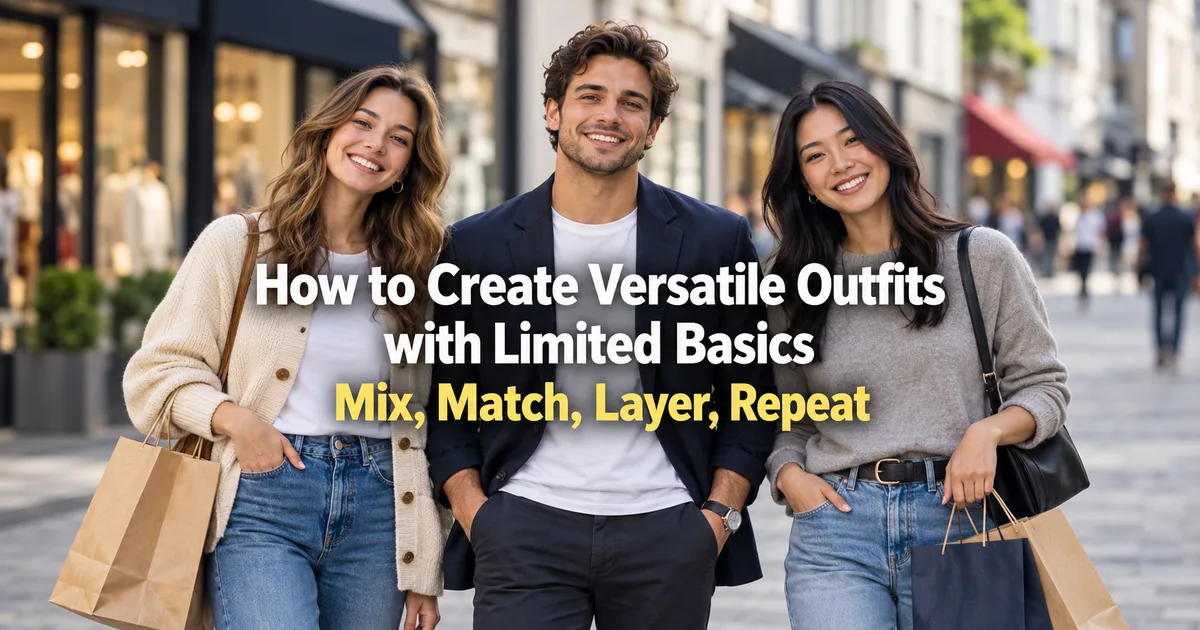
I know someone who has fewer than twenty pieces in her entire wardrobe. Not twenty per season twenty total pieces. And somehow, she always looks put-together. She never runs out of things to wear. She can create different outfits for completely different contexts using the same handful of pieces. When I first met her, I thought she was hiding another closet somewhere. But after studying her wardrobe strategy for years, I realized she wasn't hiding anything she understood something most people don't: how to create maximum outfit variety from minimum pieces.
After twenty years of helping people build wardrobes, I've learned that the constraint of limited pieces actually forces creativity in the best possible way. When you have a huge closet full of random items, getting dressed is overwhelming and choices are paralyzing. When you have carefully chosen basics that actually work together, getting dressed becomes a puzzle you can solve in creative ways. The limited wardrobe approach isn't about deprivation; it's about intention.
The real secret is understanding which pieces are true workhorses pieces that can be styled multiple ways, that work in different seasons, that coordinate with everything, that transform based on how you wear them. It's about building a wardrobe where every single piece earns its place by creating multiple outfits. It's about understanding layering, styling, and creative combination in ways that most people never think about.
This guide covers everything: understanding the principles of versatile basics, choosing pieces that do double duty, the power of neutral color palettes, strategic layering for outfit multiplication, styling techniques that transform pieces, creating context-appropriate outfits from limited pieces, building a capsule wardrobe, mixing and matching strategically, using accessories to multiply outfits, and how to build a genuinely versatile limited wardrobe.
Versatile Basics Principles
Creating multiple outfits from limited pieces requires understanding specific principles.
The Versatility Criteria
Every piece in a limited wardrobe must meet specific criteria.
Works Multiple Ways
- Definition: Piece can be styled different ways to create different looks.
- Examples: Cardigan worn open, buttoned, tied around waist, layered.
- Why it matters: Same piece creates multiple outfits through different styling.
- Benefit: Limited pieces create maximum outfit combinations.
Works Multiple Seasons
- Definition: Piece can be worn across seasons with different layering.
- Examples: T-shirt worn alone in summer, layered in winter.
- Why it matters: Year-round wear from fewer total pieces.
- Benefit: Smaller seasonal rotations; more outfit combinations.
Works Multiple Contexts
- Definition: Piece appropriate for different occasions without looking wrong.
- Examples: Blazer works casual styled with jeans, professional with trousers.
- Why it matters: One piece covers multiple life contexts.
- Benefit: Fewer pieces needed to cover all situations.
Coordinates with Everything
- Definition: Piece works with all other pieces in wardrobe.
- How it works: Built on neutral color palette; everything coordinates.
- Why it matters: No wasted combinations; every pairing works.
- Benefit: Maximum combination possibilities with minimum pieces.
Complements Your Body and Style
- Definition: Piece flatters your body type and fits your personal aesthetic.
- Why it matters: You'll actually wear it; it makes you feel good.
- Benefit: Higher wearing frequency; investment justified.
The Math of Versatility
How limited pieces create many outfits.
Basic Formula
- 5 tops × 3 bottoms = 15 basic combinations.
- Add 2 layers: 15 combinations × 2 ways to wear layers = 30 outfits.
- Add accessories: Multiply by styling variations.
- Result: 20 pieces = 50+ outfit combinations.
The Multiplier Effect
- Versatile layering: Each piece worn multiple ways multiplies combinations.
- Strategic accessories: Change the complete feel of an outfit.
- Styling variations: Same pieces styled differently = different outfits.
- Context adjustment: Professional vs. casual versions of same pieces.
The Limiting Factor
What prevents maximum versatility.
- Poor color coordination: Pieces don't work together; limits combinations.
- Inappropriate fit: Pieces don't fit you well; you don't wear them.
- Non-versatile pieces: Pieces that only work one way, one season, one context.
- Overspecialization: Pieces too specific to occasion or style.
- Poor quality: Pieces fall apart; can't rely on them long-term.
Choosing Pieces That Do Double (or Triple) Duty
Strategic piece selection is the foundation of a versatile limited wardrobe.
Core Wardrobe Categories
Every versatile wardrobe needs these pieces.
Foundation Tops (4-5 pieces)
- Quality t-shirts: 2-3 in neutral colors (white, black, gray).
- Why: Worn constantly; work alone and layered; every season.
- Versatility: Styled casual, professional, athletic depending on pairing.
- Basic long-sleeve: White or neutral.
- Why: Works as standalone, layering piece, shows under other pieces.
- Versatility: Works winter under jackets, summer as light layer.
Layering Pieces (3-4 pieces)
- Cardigan: Neutral, versatile weight.
- Why: Worn open, buttoned, tied around waist; over and under.
- Versatility: Works casual, professional, multiple seasons; endless styling.
- Lightweight sweater: Different color from cardigan for variation.
- Why: Casual elegance; worn alone or layered.
- Versatility: Works multiple seasons; creates different aesthetic from cardigan.
- Structured jacket or blazer: Can be casual or professional.
- Why: Transforms outfit instantly; works many contexts.
- Versatility: Casual with jeans, professional with trousers; completely different vibes.
Bottoms (3-4 pieces)
- Dark jeans: Most versatile bottom piece.
- Why: Works casual and elevated; practically every top.
- Versatility: Dressed up or down; works multiple contexts; year-round.
- Neutral trousers: Professional option.
- Why: Transforms tops from casual to professional.
- Versatility: Creates smart casual, professional look; different from jeans.
- Comfortable casual pants: Different weight/style from jeans.
- Why: Creates different aesthetic; option beyond jeans.
- Versatility: Works casual to smart casual depending on top.
Outerwear (1-2 pieces)
- Lightweight jacket: Works spring/fall, layered winter/summer.
- Why: Essential for transitions; worn constantly.
- Versatility: Over everything; creates complete outfit.
- One seasonal piece: Heavy coat (winter) or rain jacket (depends on climate).
- Why: Handles season-specific weather needs.
- Versatility: Works with entire wardrobe for season.
The Pieces That Create Maximum Combinations
These specific pieces offer highest versatility returns.
The White T-Shirt
- Versatility potential: Extremely high.
- Works worn: Alone, layered, under pieces, over pieces.
- Works contexts: Casual, professional (styled), athletic.
- Works seasons: All four.
- Works styling: Tucked, untucked, tied, cropped.
- Investment return: One piece, endless outfit potential.
The Cardigan
- Versatility potential: Extremely high.
- Works worn: Open, buttoned, layered, over, under, around waist.
- Works contexts: Casual, professional, elevated casual.
- Works seasons: All four with different styling.
- Works styling: Multiple ways to style same piece.
- Investment return: One piece, numerous different looks.
Dark Jeans
- Versatility potential: Very high.
- Works with: Every top, every layer.
- Works contexts: Casual to elevated casual (styled right).
- Works seasons: Year-round.
- Works styling: Cuffed, rolled, straight, tucked-in.
- Investment return: One piece, works with everything.
Neutral Blazer
- Versatility potential: Very high.
- Works with: T-shirts (casual), blouses (professional), dresses (elevated).
- Works contexts: Casual to professional.
- Works seasons: Spring through fall; winter if not too heavy.
- Works styling: Buttoned (professional), open (casual).
- Investment return: Transforms entire look; essential piece.
The Power of Neutral Color Palettes
Color strategy is critical for versatile limited wardrobes.
Why Neutrals Maximize Versatility
- Everything coordinates: No clashing combinations.
- Every combination works: No wasted pairings.
- Maximum flexibility: Mix and match freely.
- Timeless: Doesn't date; stays wearable years.
- Professional base: Creates professional combinations easily.
Building a Neutral Palette
Choose Your Base Neutrals
- Option 1: Black, white, gray, navy.
- Option 2: White, cream, beige, navy, camel.
- Option 3: Black, white, gray, charcoal.
- Key: Choose 3-4 neutrals that feel natural to you.
Optional: Add Accent Color
- One additional color: Adds visual interest; coordinates with neutrals.
- Examples: Burgundy, olive, camel, navy (if not base).
- Strategy: Use in pieces worn less frequently; more impact.
- Benefit: Personal color expression without sacrificing versatility.
Why Limited Color Palettes Work
- Smaller piece count: Every piece works with every other piece.
- Strategic layering: Monochromatic or coordinated layering always works.
- Accessory focus: Color comes from accessories, not clothing.
- Professional appearance: Neutral palettes read as polished.
| Core Piece | Best Color(s) | Number Needed | Outfit Combinations | Seasonal Use | Versatility Score |
|---|---|---|---|---|---|
| White T-Shirt | White | 1-2 | 10+ | Year-round | 10/10 |
| Neutral Cardigan | Gray, Navy, Beige | 1 | 15+ | Year-round | 10/10 |
| Dark Jeans | Dark Wash | 1-2 | 15+ | Year-round | 10/10 |
| Basic Long-Sleeve | White, Black | 1 | 10+ | Year-round | 9/10 |
| Neutral Blazer | Black, Navy, Camel | 1 | 12+ | 3 seasons | 9/10 |
| Neutral Sweater | Gray, Cream, Camel | 1 | 8+ | Fall-Spring | 8/10 |
Strategic Layering for Outfit Multiplication
Layering is how limited pieces create maximum combinations.
Layering Formulas
Predictable combinations that create different outfits.
Formula 1: T-Shirt + Cardigan + Jeans
- Variations: Cardigan open (casual), buttoned (structured), tied around waist (playful).
- Contexts: Casual, smart casual, elevated casual.
- Seasons: Spring, fall; summer with lightweight cardigan.
- Outfit count: Same three pieces = 3+ different outfit feels.
Formula 2: Long-Sleeve + T-Shirt + Jeans
- Variations: Long-sleeve shows as layer; different combinations.
- Contexts: Casual, transition seasons, fall wear.
- Seasons: Spring, fall.
- Outfit count: Three pieces in layered combination = different look.
Formula 3: T-Shirt + Blazer + Jeans/Trousers
- With jeans: Casual elevated look.
- With trousers: Professional or smart casual look.
- Variations: Same three pieces + different bottoms = completely different outfits.
- Contexts: Casual to professional depending on bottoms.
- Outfit count: Same pieces, different bottom = 2 distinct outfits.
Formula 4: Sweater + Jeans + Casual Pants + Jackets
- Variations: Sweater alone (weekend), under jacket (weather layering).
- With different bottoms: Sweater works with jeans, trousers, casual pants.
- Contexts: Casual, professional, elevated casual.
- Seasons: Fall, spring, winter (layered).
- Outfit count: One sweater × 3 bottoms × layering options = 6+ outfits.
The Layering Power
- Same pieces, different layers = different outfits.
- Strategic layering multiplies combinations exponentially.
- One piece layered multiple ways = multiple looks.
- Transition seasons: layering makes limited wardrobe possible.
Styling Techniques That Transform Pieces

How you wear pieces matters as much as which pieces you own.
Tucking and Untucking
- Untucked: Casual, relaxed feel.
- Tucked in front: Casual but intentional.
- Fully tucked: Professional, pulled-together.
- Effect: Same t-shirt, three different outfit aesthetics.
Rolling and Cuffing
- Jeans cuffed: More casual, shows ankles, creates proportion change.
- Sleeves rolled: Casual, intentional styling.
- Cardigan sleeves pushed up: Different from sleeves down.
- Effect: Simple styling changes create different outfit feels.
Layering Necklines
- V-neck over crew neck: Creates visual interest.
- Striped under solid: Adds visual complexity.
- Different textures: Creates dimension.
- Effect: Layering strategy changes complete outfit appearance.
Wearing Pieces Multiple Ways
- Cardigan tied around waist: Completely different aesthetic.
- Oversized shirt worn off-shoulder: Different from worn normally.
- Button-up worn open over t-shirt: Layering creates new piece.
- Blazer worn casual vs. professional: Same jacket, different context.
- Effect: One piece worn multiple ways = multiple different looks.
Creating Context-Appropriate Outfits from Limited Pieces
The same basic pieces work different contexts through styling.
Casual Outfits
Comfortable, relaxed aesthetic.
- T-shirt + jeans + sneakers + cardigan open: Relaxed, casual.
- T-shirt + casual pants + slip-ons + light sweater: Comfortable casual.
- Long-sleeve + jeans + sneakers: Casual yet intentional.
- Key: Casual context works with basics; no styling required.
Smart Casual Outfits
Polished but not formal.
- Tucked t-shirt + jeans + blazer + quality shoes: Elevated casual.
- Sweater + trousers + loafers: Smart casual.
- T-shirt + neutral pants + structured jacket + belt: Intentional styling.
- Key: Tucking, structured pieces, quality accessories transform to smart casual.
Professional Outfits
Work-appropriate, polished.
- T-shirt tucked + trousers + blazer + professional shoes: Office appropriate.
- Sweater + professional pants + structured jacket: Business casual.
- White long-sleeve tucked + trousers + blazer: Very professional.
- Key: Trousers, tucking, structured pieces, professional accessories create professional context.
Weekend Relaxed
Comfort priority; still intentional.
- Oversized t-shirt + comfortable jeans + sneakers: Relaxed weekend.
- Sweater + casual pants + comfortable shoes: Weekend cozy.
- Key: Comfort-focused pieces and styling; still cohesive wardrobe.
Building a Capsule Wardrobe
A practical approach to limited, versatile wardrobe.
Essential Capsule Components
The Absolute Minimalist (10 Pieces)
- 2 white t-shirts.
- 1 black t-shirt.
- 1 long-sleeve white shirt.
- 1 gray sweater.
- 1 neutral cardigan.
- 1 casual blazer.
- 2 pairs well-fitting jeans (dark).
- 1 pair neutral trousers.
Outfit potential: 30+ different combinations.
The Practical Capsule (15-20 Pieces)
Add to minimalist:
- 1 gray t-shirt.
- 1 lightweight sweater (different color from gray).
- 1 structured shirt.
- 1 light jacket.
- 1 pair casual pants (not jeans).
- 1 pair shorts (if climate appropriate).
- Basic undergarments and socks.
Outfit potential: 50+ different combinations.
The Expanded Capsule (20-30 Pieces)
Add to practical:
- 1 additional accent sweater.
- 1 dress or skirt (optional, if lifestyle appropriate).
- 1 layering piece for specific season.
- Seasonal outerwear (coat, rain jacket).
- Basic accessories (belt, scarf).
Outfit potential: 70+ different combinations.
Capsule Wardrobe Strategy
- Start minimal: Begin with 10-15 pieces; add intentionally.
- Build over time: Add seasonal pieces as needed.
- Maintain color palette: Consistent coordination across all pieces.
- Prioritize quality: Better pieces; worn more often.
- Regular assessment: Does each piece earn its place?
Mixing and Matching Strategically
Intentional pairing creates maximum outfit combinations.
The Mixing Matrix
Visualize how pieces work together.
- List all tops: T-shirts, sweaters, shirts.
- List all bottoms: Jeans, pants, etc.
- Test each combination: Does it work?
- Count working combinations: Every pair should work.
- Result: See actual outfit potential.
Strategic Gaps
Identifying what's missing from combinations.
- Does every top work with every bottom? Should with neutral palette.
- Are there color combinations that don't work? May indicate palette issue.
- Does every piece work with layering pieces? Should for versatility.
- Fix gaps by adding pieces: Usually small adjustments, not complete changes.
Using Accessories to Multiply Outfits
Accessories amplify outfit versatility.
The Accessory Power
- Same outfit + different accessories = different look.
- Accessories don't count toward piece limit: Multiply without adding wardrobe pieces.
- Low-cost way to create variations: One outfit transformed multiple ways.
- Express personal style: Accessories personality without changing basics.
Essential Accessories
- Scarves: Change entire outfit feel; add color or texture.
- Jewelry: Elevate or casual-ize outfit; express personal style.
- Belts: Define waist; change silhouette; add visual interest.
- Shoes: Sneakers casual; heels professional; same outfit, different aesthetic.
- Hats: Complete outfit; add personality.
- Bags: Functional and aesthetic; change outfit vibe.
Accessory Strategy
- Quality basics: High-quality pieces as foundation.
- Accessory variety: Accessories provide visual variation.
- Color from accessories: Basics neutral; color comes from accessories.
- Investment balance: Less money on basics; more variety through accessories.
Building a Genuinely Versatile Limited Wardrobe
Step-by-Step Process
Step 1: Assess Your Lifestyle
- What contexts do you dress for? Work, casual, both?
- What seasons matter in your climate? Plan accordingly.
- What's your personal style? Pieces should reflect this.
Step 2: Choose Your Color Palette
- Pick 3-4 neutral base colors.
- Optional: Add 1 accent color.
- Ensure consistency: All pieces coordinate within palette.
Step 3: Define Core Pieces
- Identify essential tops, bottoms, layers.
- Ensure each piece is versatile: Works multiple ways, seasons, contexts.
- Quality over quantity: Better pieces worn more often.
Step 4: Build Intentionally
- Start with 10-15 core pieces.
- Test combinations: Every piece works with others.
- Add strategically: Fill genuine gaps, not wants.
Step 5: Layer and Style
- Learn layering formulas.
- Practice styling variations.
- Create multiple outfits from same pieces.
Step 6: Maintain and Assess
- Regular review: Does each piece earn its place?
- Seasonal assessment: Add needed pieces; remove unused ones.
- Quality maintenance: Keep pieces in excellent condition.
Common Mistakes to Avoid
- Too many colors: Pieces don't coordinate; limits combinations.
- Non-versatile pieces: Pieces that only work one way; limit outfit potential.
- Poor fit: Pieces you don't actually wear because fit is off.
- Low quality: Pieces fall apart; can't rely on them.
- Over-complicated: Trying to do too much with too few pieces.
The Freedom of Limited but Intentional
There's a particular freedom that comes from having a limited but intentional wardrobe. Getting dressed doesn't require hours of decision-making. You're not standing in front of a closet full of options that somehow feel unsuitable. You're not buying things impulse-y and then never wearing them. You're not spending money on pieces that don't work with anything else you own.
When every piece in your wardrobe works with every other piece, when each piece does multiple jobs and works multiple ways, when you understand how to layer and style strategically, getting dressed becomes simple. And more importantly, you look intentional. Your outfits read as put-together choices rather than random accumulations. You feel confident because you're not throwing together pieces that don't quite work together; you're combining pieces that were selected specifically to work together.
The best part? You need fewer pieces. You spend less money. You have less closet space. And you have more outfit variety. That's the math of versatility done right. That's why a woman with twenty pieces can look better dressed than someone with two hundred because every single piece was chosen for its versatility and its ability to work with everything else in her wardrobe.
