How to Pick Hoodies Your Kids Actually Want to Wear
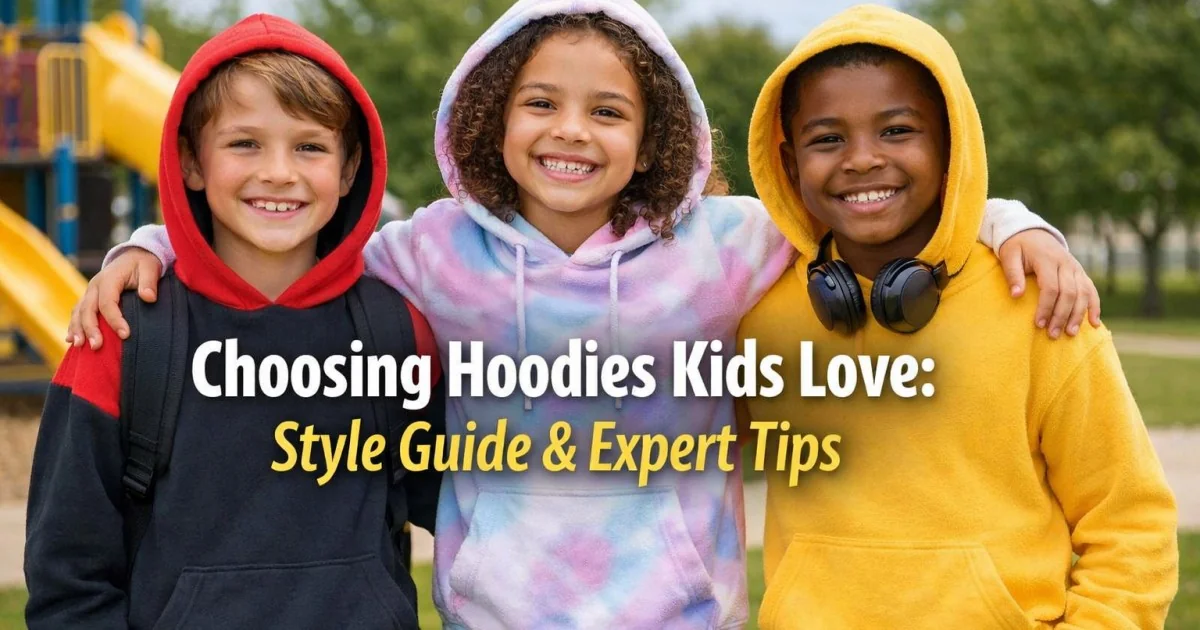
Let me start with something I've learned after nearly twenty years of writing about fashion for all ages: the absolute most important rule for dressing kids is this they have to like what they're wearing, or it will sit in the closet unworn, no matter how perfect it is on paper.
I can't tell you how many times I've heard from frustrated parents who bought the most adorable hoodie, in the right size, at a great price, and their kid absolutely refuses to wear it. They'll pick literally anything else, even if it doesn't match, doesn't fit as well, or is visibly dirty. And I get it. I've done it too. You think you're making a smart choice, and then your child completely vetoes it and suddenly you're back to square one.
Here's what I've come to understand: picking a hoodie that your kid will actually want to wear is fundamentally different from picking a hoodie that's objectively good. It requires understanding your child's personality, their preferences, what makes them feel confident, and what they actually care about. It also requires letting go of what you think they should want and listening to what they actually want.
So let me share what I've learned about making hoodie choices that result in clothes your kids will genuinely reach for again and again, instead of clothes that end up on the donation pile.
Your Child's Fashion Personality
Before you even start thinking about hoodies, you need to understand that your child has a fashion personality. This isn't something you necessarily create for them; it's something they develop naturally as they grow and start to understand their own preferences and how they want to present themselves to the world.
Pay attention to what your child gravitates toward. Are they drawn to bright, bold colors, or do they prefer softer, quieter tones? Do they light up when they see hoodies with graphics of their favorite interests, or do they prefer clean, simple designs? Are they experimental, mixing unexpected colors and patterns, or do they like consistency and reliability in their wardrobe? These aren't random preferences. They're windows into your child's personality.
I noticed this particularly when my own kids were around seven or eight. Before that, I'd been choosing most of their clothes, and honestly, they wore what I put on them because they didn't have much choice in the matter. But once they hit school age and started having opinions, the difference was dramatic. One of my kids became absolutely obsessed with dinosaurs for a solid year, and if the hoodie didn't somehow relate to dinosaurs or be a color that made them feel like a dinosaur would wear it, they didn't want it. Another kid was all about feeling like they fit in with their friends, so they wanted whatever the cool kids at school were wearing. Both kids were right in their preferences. My job wasn't to change those preferences; it was to work with them.
Think about your child's personality more broadly. Are they the energetic, outgoing type who loves standing out and being noticed? Or are they more reserved, preferring to blend in? Are they creative and into self-expression through unusual combinations? Or do they like clear, predictable looks? Are they into specific interests sports, gaming, art, music that they'd want reflected in their clothing? All of this shapes what hoodie will actually appeal to them.
The Color Question: More Important Than You Think
Color is probably the single most important decision when picking a hoodie your child will actually wear. I'm not exaggerating. A hoodie in a color they love will get worn constantly. A hoodie in a color they don't feel connected to will sit in their drawer.
Here's what I've learned about colors and kids: bold, bright colors work beautifully for energetic, confident kids. Electric blue, vibrant coral, sunshine yellow, apple green these colors feel like they're expressing something about how the child sees themselves. Kids who love these colors often feel more confident and enthusiastic when wearing them. These colors also tend to be trendy right now, especially among younger kids and tweens who are active on social media and paying attention to what their peers are wearing.
Soft pastels lavender, mint green, baby blue, soft pink, powder yellow appeal to kids who are a bit quieter or who prefer a gentler aesthetic. These colors are having a major moment in 2025, and they work beautifully for kids who want to feel calm and peaceful in their clothing, or who prefer a more understated look.
Jewel tones emerald green, ruby red, sapphire blue, deep purple appeal to kids who are already confident and a bit bold in their personality. These colors feel sophisticated and mature, and kids who love them often have strong opinions about other things too. They know what they like, and they aren't afraid to stand out.
And then there are the classic, neutral colors: black, navy, gray, white, and charcoal. These are the workhorses of any wardrobe. They're versatile, they pair with everything, and they're safe choices that kids will wear. If your child isn't expressing strong color preferences yet, starting with neutrals is smart because they'll actually wear them with different bottoms and styles.
But here's the key: ask your child what color they want. Not what color you think they should want. What color actually makes them feel good when they're wearing it? Sometimes parents are surprised by the answer. A kid might love coral when you expected them to want pink. They might choose mustard yellow over any pastel. They might have an incredibly specific shade of blue they're obsessed with. Listen to those preferences.
| Color Type | Best For | Personality Match | Trend Status 2025 | Versatility |
|---|---|---|---|---|
| Bright & Bold (Electric blue, red, yellow, coral) | Energetic, outgoing kids | Confident, expressive, social | Trending strongly | Good with basics |
| Soft Pastels (Lavender, mint, baby blue, soft pink) | Gentle, reserved kids | Calm, creative, artistic | Very trendy spring/summer | Excellent with most |
| Jewel Tones (Emerald, ruby, sapphire, purple) | Confident, bold kids | Sophisticated, strong opinions | Timeless, emerging | Very good |
| Neutrals (Black, navy, gray, white) | All personality types | Practical, flexible | Always staple | Excellent |
| Earth Tones (Olive, terracotta, tan, brown) | Outdoorsy, nature-loving kids | Calm, grounded, eco-conscious | Growing trend | Very good |
Graphic or Solid: The Eternal Debate
Once you've figured out color, the next big decision is whether your child wants a graphic hoodie or a solid one. And honestly, I've found that this is deeply personal to each child, and sometimes they want both.
Graphic hoodies are all about personality and expression. These are hoodies with prints, designs, their favorite characters, cool slogans, artistic prints, vintage band logos, or anything that makes a statement. Kids absolutely light up when they see a graphic hoodie featuring something they love. If your child is into dinosaurs, and they find a hoodie with a cool dinosaur design, that's the hoodie they're going to want to wear. If they love a particular cartoon character, that character on a hoodie becomes a treasure.
The reason graphic hoodies work so well is simple: they let your child express their interests and personality. The hoodie becomes a conversation starter. It communicates something about who they are and what they care about. For kids who are into developing their sense of identity, this matters. It genuinely impacts whether they feel good about wearing it.
The downside of graphic hoodies is that trends shift. A character your child loves passionately at age six might feel babyish at age nine. A graphic design that's super cool one year might feel outdated the next. So graphic hoodies can have a shorter lifespan in terms of how long the child will actually want to wear them. But if the graphic appeals to something they're genuinely interested in not just something trendy it can last longer. A hoodie featuring their favorite book series, their sport, their hobby, or their personality can stay relevant for years.
Solid color hoodies are the opposite. They're classic, versatile, and timeless. A solid navy hoodie or a solid gray one will work with almost any outfit. It doesn't express a specific interest, so it feels more neutral. Kids sometimes prefer this because they don't want to broadcast anything specific; they just want a hoodie. Solid color hoodies also last longer in terms of appeal because they're not tied to trends or passing interests.
My actual recommendation? Let your child have both. Keep one or two solid color hoodies as the reliable basics, and then get one or two graphic hoodies that express their current interests. This gives them flexibility in how they're feeling and what they want to express on any given day.
The Comfort Factor: Why Soft Matters More Than You Think
Here's something I've noticed that parents sometimes overlook: kids are incredibly tactile. They pay attention to how things feel on their skin in a way that adults sometimes don't. If a hoodie doesn't feel right, if it's scratchy or heavy or makes them feel restricted, they're not going to want to wear it, and honestly, I don't blame them.
The best hoodies for kids feel soft. Not just okay; actually soft. This means paying attention to the fabric blend and the quality of the fabric. A 50/50 cotton-polyester blend tends to be significantly softer than 100% polyester or rough fleece. The blend matters. Run your hand over the hoodie and actually feel it. Would you want to wear it next to your skin? If the answer is no, your child probably won't either.
Also pay attention to the hood itself. Is it lined? Does it feel comfortable on the head, or is the fabric stiff and unpleasant? Does the hood stay in place when they're playing, or does it constantly fall off? These details matter to kids more than you'd think. I've watched kids reject an otherwise perfect hoodie simply because the hood felt wrong.
The sleeves are another huge comfort factor. Are they the right length? Do they bunch up when the child moves their arms, or do they move smoothly? Do the cuffs feel tight, or can they move freely? Kids are moving constantly, and a sleeve that doesn't work right becomes annoying quickly. Sleeves that are too long get bunched in their hands. Sleeves that are too short ride up. Either way, the hoodie becomes uncomfortable to wear.
And here's something specific to kids: they often notice and care about whether things feel scratchy or itchy. If a hoodie has rough seams, a scratchy zipper, or an uncomfortable tag, they will mention it constantly. As a parent, you don't want to buy a hoodie and then have your child complain about it every single time they wear it. So run your hands over the seams, check the tag, test the zipper. Make sure it actually feels comfortable to wear.
Fit: The Oversized Trend and What It Actually Means
One of the biggest trends right now is oversized hoodies, and I want to be really clear about what this means and why it matters for whether your kid will actually want to wear it.
Oversized doesn't mean buying three sizes too big. That's too much. Oversized means buying a hoodie that's a little roomy through the body, with sleeves that are relaxed rather than fitted. An oversized hoodie should still fit correctly at the shoulders. It should still allow your child to move freely. It should just have a more relaxed, comfortable vibe rather than a fitted one.
Here's why kids love oversized hoodies: they feel cozy. They feel like a comfort item. They're easy to layer. They don't restrict movement. And honestly, from a parent's perspective, they last longer because there's growing room built in. Your child can wear an oversized hoodie for an extra season or two before growing out of it completely.
But there's a limit. If a hoodie is so oversized that it's sloppy and falls off the shoulders, or if the sleeves are so long they cover the hands completely, that's too much. Your child won't want to wear it because it doesn't make them feel good. The goal is relaxed and comfortable, not sloppy.
Ask your child for their preference. Some kids genuinely prefer a more fitted fit; they like how it feels and how it looks. Other kids want maximum room to move. This is worth asking about specifically because fit is so personal.
The Most Important Step: Actually Asking Your Child
I want to be direct about this because I think it's the most important point in this entire article: ask your child what they want. Not what you think they should want. What they actually want.
This sounds obvious, but you'd be shocked how many parents tell me they buy hoodies without asking their kids for input. They make decisions based on what they think looks good, what's a good value, what's practical, what matches other things in the wardrobe. All of those factors matter, but they matter less than whether your child actually likes it.
If your child is old enough to have opinions about clothing and most kids are expressing preferences by age five or six then their opinions matter. Their preference is genuinely important data. If they don't like the hoodie, they won't wear it, and the money you spent is wasted.
So ask them. "What's your favorite color right now?" "Do you prefer solid hoodies or ones with designs?" "What would make you excited to wear a hoodie?" "Are there any characters or designs you're really into?" These conversations don't take long, but they give you incredibly valuable information.
If possible, involve them in the shopping process. If you're shopping online, show them a few options and let them choose. If you're in a store, walk through the hoodie section together and see what they gravitate toward. This isn't about unlimited choice you can absolutely narrow it down to options you're comfortable with but it's about giving them real agency in the decision.
Personality Types and Hoodie Preferences
Kids often have distinct personality types, and these personality types tend to correlate with hoodie preferences. Understanding your child's personality can help you anticipate what they'll actually want to wear.
The Social Butterfly: These kids are outgoing, energetic, and very aware of what their peers are wearing. They want to fit in, and they often love trendy pieces and bright colors that help them stand out in a cool way. For these kids, look for popular brands, current trending styles, and bold colors. They'll want to wear what their friends are wearing or what they see influencers wearing. A graphic hoodie featuring a trendy character or design will probably appeal to them. The trick is staying current without going so trendy that the piece feels dated within a season.
The Bookworm or Quiet Creative: These kids are more introverted, often creative, and they might prefer hoodies that don't scream for attention. That said, they often have very strong interests books, art, music, writing and they love when their clothing reflects those interests. For these kids, consider subtle graphic designs related to their interests, or beautiful solid colors in tones they love. They're less concerned with trends and more interested in pieces that feel authentic to who they are.
The Athlete or Outdoors Kid: These kids care about function and performance, but they also want to look good. For them, consider performance hoodies in colors they like, or athletic-brand hoodies in solid colors. They'll appreciate good fit, quality construction, and colors that match their gear or team colors. They're less likely to care about trendy graphics and more likely to want something practical.
The Artsy, Unconventional Kid: These kids might gravitate toward unique designs, vintage looks, or unusual color combinations. They like expressing themselves through distinctive pieces. For them, look for hoodies with interesting patterns, vintage designs, or unusual color options. These kids often appreciate when you give them creative choice in how they style their pieces.
The Practical, Sensible Kid: These kids like straightforward, comfortable pieces in colors they know they like. They're not necessarily into trends or bold statements; they just want something that works and feels good. For them, solid color hoodies in neutral or classic colors, with quality construction, are the way to go.
Involving Your Child in the Selection Process
If you want your child to actually wear the hoodie, involving them in the selection process is genuinely one of the most important things you can do.
Start by creating a style guide together. If your child is old enough, this can be a fun activity. Look through Pinterest, Instagram, or even just other hoodies they see in stores or online. Which ones make them say "ooh, I like that"? What do those hoodies have in common? What colors, styles, and designs keep coming up? Doing this together helps both of you understand what your child actually gravitates toward.
When you're shopping, give them choices within boundaries. Don't say "pick any hoodie you want" because that's overwhelming and leads nowhere. Instead, say "I found these three hoodies I think you might like, which one appeals to you?" This gives them real agency while keeping you in control of the final decision.
Ask them specific questions about fit and comfort. "Does this feel soft?" "Are the sleeves comfortable?" "Can you move your arms easily?" "Do you like the way the hood feels?" Let them be part of evaluating whether the hoodie actually works for them, not just whether it looks good.
Celebrate their choices. When they pick a hoodie, acknowledge that they made a good decision. "That color is perfect for you; I love how it looks on you." This positive reinforcement helps them feel confident about their choices and more likely to actually wear what they've picked out.
Budget and Quality: Finding the Balance
I want to address the real-world concern about budget because not every family can spend $60-80 on a single hoodie.
The good news is that you don't have to. There are excellent quality hoodies at every price point. A $25-35 hoodie from a solid brand like Russell Athletic or Champion is genuinely good quality and will last. It might not have all the bells and whistles of a premium brand hoodie, but it will be soft, comfortable, and durable.
My recommendation is this: budget for one or two nice hoodies per year solid colors in neutral or favorite shades and let your child be involved in picking them. Then, if you want to add a trendy graphic hoodie or a fun seasonal color, you can do that more affordably with a budget brand. This gives you the reliability of quality basics plus the fun of letting them express themselves with trendier pieces.
Also, don't discount sales. End-of-season sales are your friend. Buy winter hoodies in February at half price and save them for next winter. Buy summer hoodies in August for next summer. This lets you afford higher-quality brands without the full price tag.
Common Mistakes Parents Make When Picking Hoodies
Let me share the mistakes I see parents make most often, so you can avoid them.
Mistake #1: Forcing Your Own Preferences. This is the most common one. You love the navy hoodie because it goes with everything, and your child hates it because it's boring. Or you think the graphic hoodie is too childish, and your child absolutely adores it. Your preferences matter, but your child's preferences matter more in terms of whether they'll actually wear it. If you hate it, don't buy it. But if you like it and your child doesn't, that's a hard pass.
Mistake #2: Buying Without Asking. I cannot stress this enough. If you buy a hoodie assuming your child will like it without asking them first, you're gambling. Sometimes you'll win that gamble, but often you'll lose. Just ask. It takes 30 seconds.
Mistake #3: Prioritizing Practicality Over Preference. Yes, a gray hoodie is practical and goes with everything. But if your child would rather have coral, buy the coral. They'll wear it more. Practicality doesn't matter if the hoodie sits in the closet.
Mistake #4: Ignoring Comfort Factors. If a hoodie doesn't feel good, your child won't wear it. Period. Don't buy hoodies without feeling them. Don't assume synthetic fabrics will work if your child prefers soft cotton blends. Don't ignore their complaints about scratchy seams or uncomfortable hoods.
Mistake #5: Oversizing Too Much for Growth. I mentioned this earlier, but it's worth repeating. An oversized hoodie is fine. A hoodie three sizes too big is not. Your child won't want to wear something that makes them feel sloppy.
Mistake #6: Following Trends Instead of Your Child's Personality. Just because oversized hoodies are trending doesn't mean your child wants an oversized hoodie if they prefer fitted fits. Just because graphic hoodies are popular doesn't mean your child wants one if they prefer solid colors. Trends inform options, but they shouldn't dictate choices.
Making It a Positive Experience
Ultimately, picking hoodies your kids actually want to wear is about more than just getting them to wear clothing. It's about helping them develop confidence in their own preferences, teaching them that their opinions matter, and supporting their emerging sense of identity and style.
When you involve your child in choosing their hoodie, when you listen to their preferences, when you celebrate their choices, you're sending a message that their opinions matter. You're helping them understand that they have agency and influence over how they present themselves to the world. These are genuinely important life skills.
So next time you're shopping for hoodies, slow down. Ask your child what they want. Look at the colors that make their eyes light up. Feel the fabrics together. Let them try them on and move around in them. Have a conversation about what makes them excited to wear something. And then celebrate the hoodie they choose, because it's genuinely theirs.
Your child in a hoodie they actually love, that they picked themselves, that makes them feel confident and comfortable? That's worth so much more than any perfectly practical choice you could make on your own.
