The Ultimate Guide to Matching Family Hoodies Without Overdoing It
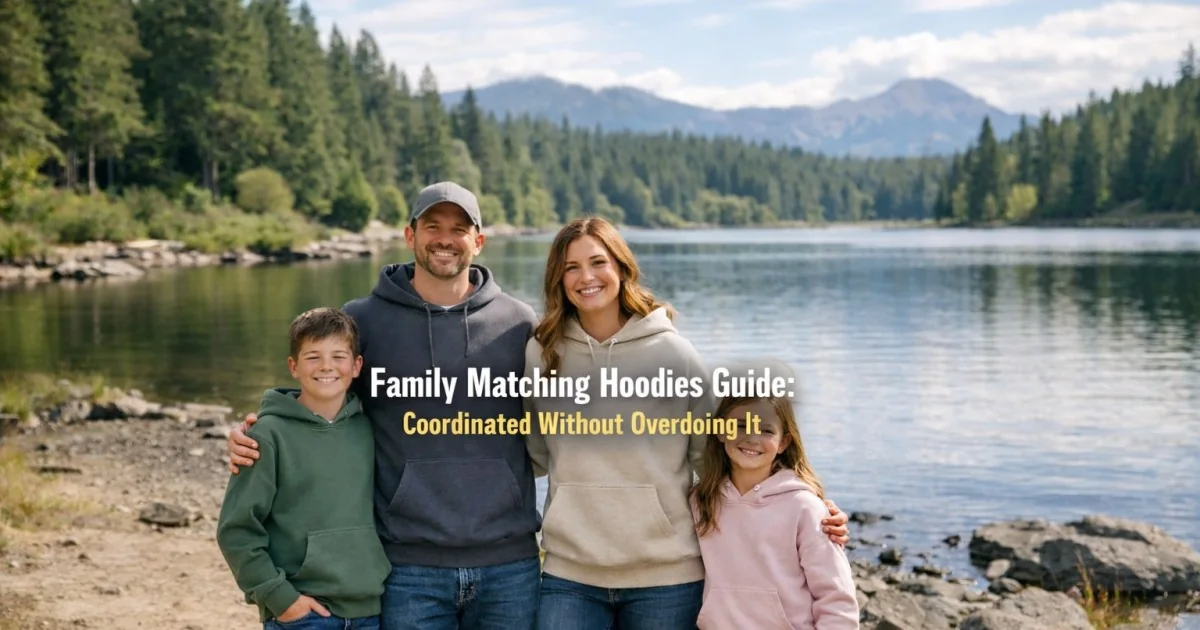
There's this fascinating tension with matching family hoodies that I've observed over twenty years of working with families on their wardrobes. On one hand, there's something genuinely sweet about family coordination it creates a sense of unity, it photographs beautifully, and it makes families feel connected. On the other hand, I've watched families go completely overboard with matching hoodies, creating outfits that feel more like uniforms than fashion, or that look cheesy instead of intentional.The challenge is finding that sweet spot where matching family hoodies feel natural, intentional, and actually stylish rather than forced or overdone. Because here's what I've learned: matching family hoodies can absolutely work. They can look genuinely good. But only if you understand the principles of coordinating without being too matchy, how to choose pieces that work for your specific family, which styles actually work for family matching, how to style them so they don't look costume-like, and when matching hoodies make sense versus when they're overkill.
Most families either avoid matching hoodies entirely because they're worried about looking too coordinated, or they go all-in with everyone in identical pieces that read as more costume than fashion. There's rarely a thoughtful middle ground. But that middle ground exists, and once you understand how to navigate it, matching family hoodies become a genuinely fun and stylish option rather than a risky fashion choice.
This guide covers everything: understanding when family matching is appropriate versus overdone, style approaches to matching without looking costume-like, choosing hoodies that work for different family members, color and design strategies that feel intentional, styling tips that elevate matching hoodies, occasions where family hoodies make sense, how to include family members who don't want to match, building family hoodies that work long-term, and practical tips for shopping and coordinating as a family.
The Line Between Coordinated and Costume
The key to successful family matching is understanding where the line is between coordinated and costume-like.
What Makes Matching Feel Intentional
Coordinated family hoodies read as intentional when:
- Color or theme connects: But pieces aren't identical.
- Each person's personality shows: Individual pieces coordinate but still feel personal.
- Styling varies: Different bottoms, accessories, shoes create variety.
- Quality and fit are excellent: Shows thought went into selection.
- Context is appropriate: Makes sense for the occasion or setting.
- It looks effortless: Doesn't look like you spent hours coordinating (even if you did).
What Makes Matching Feel Costume-Like
Coordinated family hoodies read as costume-like when:
- Everyone is in identical pieces: Same hoodie, same color, same everything.
- Obvious branding: Large family names or coordinated text on all pieces.
- Everyone is too matchy: Matching hoodies, matching bottoms, matching shoes, matching everything.
- Styling is flat: No personality variation in how pieces are worn.
- It looks overly posed: Seems specifically arranged for photos rather than natural wear.
- Quality looks cheap: Obviously costume-grade rather than actual wearable pieces.
The Sweet Spot: Coordinated Without Costume
The goal is coordinated without costume. Here's what that looks like:
- Similar but not identical: Hoodies in the same color family but different styles or fits.
- Coordinated, not matching: Connected through color or theme but each person has their own piece.
- Personal styling: Each person styles their hoodie differently with their own bottoms and accessories.
- Intentional simplicity: Looks like you chose pieces that work together, not that you tried too hard.
- Context-appropriate: Makes sense for the occasion without being the focus of the outfit.
- Effortless elegance: Reads as "we happen to like similar things" rather than "we're performing a coordinated look."
Style Approaches to Family Matching
There are several approaches to coordinating family hoodies, each with different looks and effort levels.
The Color Coordination Approach (Most Accessible)
Everyone wears hoodies in the same color but different styles or brands.
How It Works
- Choose a color: Navy, black, gray, or a specific color everyone likes.
- Each person picks a hoodie: In that color but in a style/fit they like.
- Result: Visually coordinated without being identical.
Why It Works
- Easiest approach logistically.
- Still very coordinated visually.
- Allows individual style expression.
- Each person gets a hoodie they actually like.
- Reads as intentional without being overdone.
When to Choose This
- You want matching without identical pieces.
- Family members have different style preferences.
- You want flexibility in hoodie selection.
- Budget is a consideration (less need for custom pieces).
Example
Dad in a fitted navy hoodie, mom in a navy jogger-style hoodie, kids in navy hoodies with different fits or brands. All navy, all coordinated, but each piece is chosen individually.
The Sizing Variation Approach
Same hoodie style, same color, but in sizes appropriate for each person.
How It Works
- Choose a specific hoodie: Brand, style, and color.
- Each person gets it in their size: Adult sizes for adults, youth/kids sizes for children.
- Result: Visually identical but properly fitted for each person.
Why It Works
- Very cohesive visual coordination.
- Each person has properly fitting piece.
- Straightforward and simple.
- Still feels intentional without costume-like.
When to Choose This
- You want clear visual matching without looking costume-like.
- Family members want identical but properly fitted pieces.
- You've found a hoodie everyone loves.
- You want easiest shopping/selection process.
Example
Family in identical black hoodies from same brand mom in small, dad in large, kids in youth sizes. Same style everywhere, but each person's fit is perfect for their frame.
The Theme Approach
Hoodies connected by theme, color, or design concept but distinctly different pieces.
How It Works
- Choose a theme: Color, concept, designer, or aesthetic.
- Each person selects: Different piece that fits the theme.
- Result: Coordinated through theme but visually diverse.
Why It Works
- Most flexible approach.
- Maximum individual style expression.
- Still very coordinated visually.
- Feels effortless and natural.
- Least costume-like approach.
When to Choose This
- Family members have very different style preferences.
- You want maximum individual expression.
- You want coordinated without obviously matching.
- You're styling for a specific occasion or season.
Example
"Neutral hoodie day" family in different hoodies but all in black, cream, gray, or neutral tones. "Winter comfort day" family in different cozy hoodies but all in earth tones and similar aesthetic. Not identical, but clearly coordinated.
The Custom Approach (Statement Matching)
Custom hoodies with coordinated designs, text, or personalization.
How It Works
- Commission custom hoodies: With coordinated design, names, or theme.
- Same piece but personalized: Base design same, personal details vary.
- Result: Clearly coordinated matching pieces.
Why It Works
- Very intentional and special.
- Can be beautiful and meaningful.
- Clear family connection.
- Keepsake quality.
When to Choose This
- Special occasion or milestone.
- You want clearly coordinated family pieces.
- Budget allows for custom pieces.
- You're comfortable with obvious family branding.
Important Note
- This is most likely to read as costume-like.
- Keep designs tasteful and not too obvious.
- Avoid overly large text or branding.
- Quality matters cheap custom hoodies look cheap.
Example
Custom hoodies for family reunion with last name and year, or coordinated hoodies with subtle matching design elements everyone personalizes slightly.
| Approach | Coordination Level | Individual Expression | Effort Level | Cost | Best For |
|---|---|---|---|---|---|
| Color Coordination | Moderate | High | Low | Variable | Everyday wear |
| Sizing Variation | High | Medium | Low | Moderate | Clear coordination |
| Theme Approach | Moderate | Very High | Medium | Variable | Maximum flexibility |
| Custom Approach | Very High | Low-Medium | High | High | Special occasions |
Choosing Hoodies That Work for Different Family Members
Different family members need different hoodie considerations.
For Adults
Fit Considerations
- Proper sizing: Hoodies should fit well, not oversized or too tight.
- Length: Should hit at hip or slightly below.
- Sleeve length: Should reach wrist bone.
- Width: Should follow body shape, not swallow the person.
Quality Matters
- Adults will wear these as actual pieces, not costumes.
- Quality fabric and construction matters.
- Better materials hold up better and look better.
Personal Style
- Should work with individual's existing wardrobe.
- Should feel like "them" even if coordinated.
- Allow personal styling choices in how worn.
For Teenagers
Style Sensitivity
- Teens are often sensitive about looking "too matched."
- Color coordination approach often works better than identical pieces.
- Give maximum individual choice while maintaining coordination.
Fit
- Many teens prefer oversized hoodies (that's their style).
- Some prefer fitted.
- Let them choose their fit preference.
Branding and Design
- Avoid obvious family branding if possible.
- Teens especially may resist costume-like looks.
- Subtle coordination works better.
For Young Children
Fit and Function
- Hoodie should fit properly (not so big they're unsafe, not so tight they're uncomfortable).
- Should allow full range of movement for play.
- Consider durability (kids are hard on clothes).
Comfort
- Fabric should be soft and comfortable.
- Should be appropriate weight for climate.
- Avoid itchy or stiff materials.
Fun Factor
- Kids often enjoy being coordinated with family.
- Colors and designs can be more playful than adult pieces.
- Kids are less concerned about looking costume-like.
For Babies and Toddlers
Practical Considerations
- Ensure proper fit for their age/size.
- Quality matters (sensitive baby skin).
- Durability important (babies spit up, get dirty easily).
Safety
- Avoid anything with loose cords or details.
- Ensure drawstrings are properly secured.
- Nothing that could be choking hazard.
Practicality
- Should be easy to put on and take off.
- Should be washable and durable.
- Should not restrict movement or natural development.
Color and Design Strategies
Colors That Coordinate Well
Neutral Colors (Most Versatile)
- Black: Very coordinating, works for all ages.
- Gray: Friendly and accessible, works for all styles.
- Navy: Classic and sophisticated, coordinates easily.
- White/Cream: Light and fresh, works for casual coordination.
Rich Colors
- Deep blue, burgundy, forest green: Sophisticated while being coordinated.
- Why they work: Specific enough to feel intentional, neutral enough not to overwhelm.
Colors to Use Carefully
- Bright or neon colors: Can read as costume-like.
- Multiple colors in pattern: Harder to coordinate accessorizing.
- Very trendy colors: Date quickly.
Design Choices That Feel Intentional
Solid Colors
- Most versatile: Works with any styling.
- Easiest to coordinate: Just pick the color.
- Least costume-like: Reads as natural choice.
Subtle Branding or Details
- Small logo or minimal branding: Acceptable.
- Embroidered detail: Can work if tasteful.
- Avoid: Large text, obvious family branding, over-designed.
Texture Variations
- Same color, different textures: Coordinated but varied.
- Example: Solid black and black with subtle texture.
Style Variations
- Same color, different cuts: Adults in fitted, kids in relaxed, etc.
- Works well: Coordinated without identical.
Styling Tips That Elevate Family Hoodies

How you style the hoodie determines whether it looks intentional or costume-like.
Varying the Bottoms
Different bottoms create visual variety even if hoodies are the same.
- Dad: Hoodie + tailored chinos + quality shoes.
- Mom: Hoodie + dark jeans + sneakers.
- Teen: Hoodie + joggers + athletic shoes.
- Kids: Hoodie + shorts or pants appropriate for them.
- Effect: Same hoodies, completely different outfits.
Accessory Variation
Accessories make identical hoodies feel more individual.
- Jewelry: Different watches, necklaces, bracelets.
- Scarves or neck pieces: Add personality.
- Bags: Different styles and colors.
- Hats: Add dimension and variety.
Shoe Choices
Shoes are the most impactful style differentiator.
- Mix shoe types: Sneakers, loafers, boots, casual shoes.
- Vary shoe colors: Black, white, neutral, colored options.
- Effect: Shoes transform the entire look despite matching hoodies.
Layering Over or Under
Layering changes the entire presentation.
- Hoodie over jacket: Changes silhouette and formality.
- Hoodie over collared shirt: Adds structure.
- Hoodie with visible undershirt at neckline: Adds depth.
Personal Details
- Hair styling: Shows personality despite matching clothing.
- Makeup: Adds individuality for those wearing it.
- Rolled sleeves or hood styling: Personal touches.
Occasions When Family Hoodies Make Sense
Excellent Occasions
Photos and Milestone Events
- Family photos: Coordinated hoodies are perfect for this.
- Holiday cards: Matching casual look is ideal.
- Birthday or anniversary celebrations: Makes sense for unity.
- Family reunions: Coordinated hoodies are recognizable and fun.
Casual Family Days
- Weekend outings: Park days, casual errands.
- Relaxed time together: Camping, road trips.
- Casual dining out: Casual restaurant or casual event.
Occasions to Approach Carefully
Very Formal Settings
- Weddings: Probably not appropriate.
- Professional events: Generally not suitable.
- Very formal dining: Too casual.
When Family Members Don't Want To
- Respect dissent: If someone doesn't want to wear matching hoodie, don't force.
- Alternative coordination: Find other ways to coordinate.
- Personal autonomy: Matters more than perfect matching.
Places to Avoid
- Very formal events where casual wear isn't appropriate.
- Professional or corporate settings.
- Fine dining or upscale restaurants.
- Any situation where coordinated family clothing might feel inappropriate.
Including Family Members Who Don't Want to Match
Not everyone wants to participate in coordinated hoodies, and that's okay.
Respect Individual Choice
- Listen to concerns: Understand why they don't want to participate.
- Don't pressure: Forcing coordination defeats the purpose.
- Accept their decision: Their comfort matters more than perfect matching.
Alternative Coordination Options
- Softer coordination: Different hoodies but same color family.
- Accessory coordination: Everyone wearing something coordinated (scarf, hat, etc.).
- Bottom coordination: Everyone in same color bottoms with different tops.
- Subtle theme: "Winter comfort day" rather than "matching hoodies."
Creating Buy-In
For reluctant participants, try these approaches:
- Let them choose the color: Gives them control.
- Let them choose the hoodie brand/style: Personal autonomy.
- Make it optional: "We're coordinating hoodies, join if you want."
- Emphasize the casual aspect: Not costume, just coordinated casualness.
- Make it fun: Reframe as something positive, not forced.
Shopping for Family Hoodies
Where to Shop
Mainstream Retailers
- Target, Gap, H&M: Good selection, reasonable prices, various sizes.
- Uniqlo: Quality basics in coordinating colors, good sizing range.
Specialty Brands
- Athleta, Lululemon: Higher quality, higher price.
- Everlane, Quince: Quality and reasonable pricing.
Custom Options
- Online custom services: Etsy, custom shirt companies.
- Local screen printing: Personalized hoodies.
- Premium custom: Higher quality, higher cost.
Shopping Tips
- Shop together if possible: Ensures everyone gets something they like.
- Check sizing across brands: Same size varies between brands.
- Try on if possible: Especially important for fit.
- Consider different sizes for different people: Don't force all adults into one size.
- Quality matters: Cheap hoodies look cheap and don't last.
Building Family Hoodies That Last
Quality Over Quantity
- Invest in quality pieces: They'll be worn repeatedly and need to hold up.
- Better fabrics last longer: And look better over time.
- Good construction matters: Seams, hems, and overall build quality.
Choose Timeless Over Trendy
- Solid colors: More timeless than patterns or trendy colors.
- Classic silhouettes: Don't date quickly.
- Neutral colors: Easier to pair with other pieces long-term.
Versatility in Other Outfits
- Hoodies should work standalone: Not just as family coordination pieces.
- Should pair with existing wardrobes: Each person can wear with other clothes.
- Neutral colors help: Work with more other pieces.
Proper Care
- Care instructions matter: Follow them to maintain quality.
- Wash properly: Cold water, gentle cycle, air dry preserves hoodies.
- Storage matters: Proper folding and storage prevents stretching and damage.
The Real Value of Intentional Family Coordination
Matching family hoodies don't have to be cheesy or costume-like. When done intentionally with thoughtful color coordination, individual style expression, varied styling, and age-appropriate choices they become genuinely fun family moments that also look good. They create unity without uniformity, connection without sacrifice of individuality.
The key is remembering that the goal isn't perfect matching. The goal is intentional coordination that feels natural and allows each family member to feel like themselves while being part of something bigger. When you approach family hoodies with that perspective, they become less about forcing everyone into the same outfit and more about finding creative ways to coordinate in ways that work for your specific family.
Done right, matching family hoodies are a fun, stylish way to celebrate family connection. Done wrong, they're a costume. The difference is in the approach, the execution, and remembering that individual autonomy and style matter more than perfect coordination.
