How to Choose Basics That Match Your Personal Style
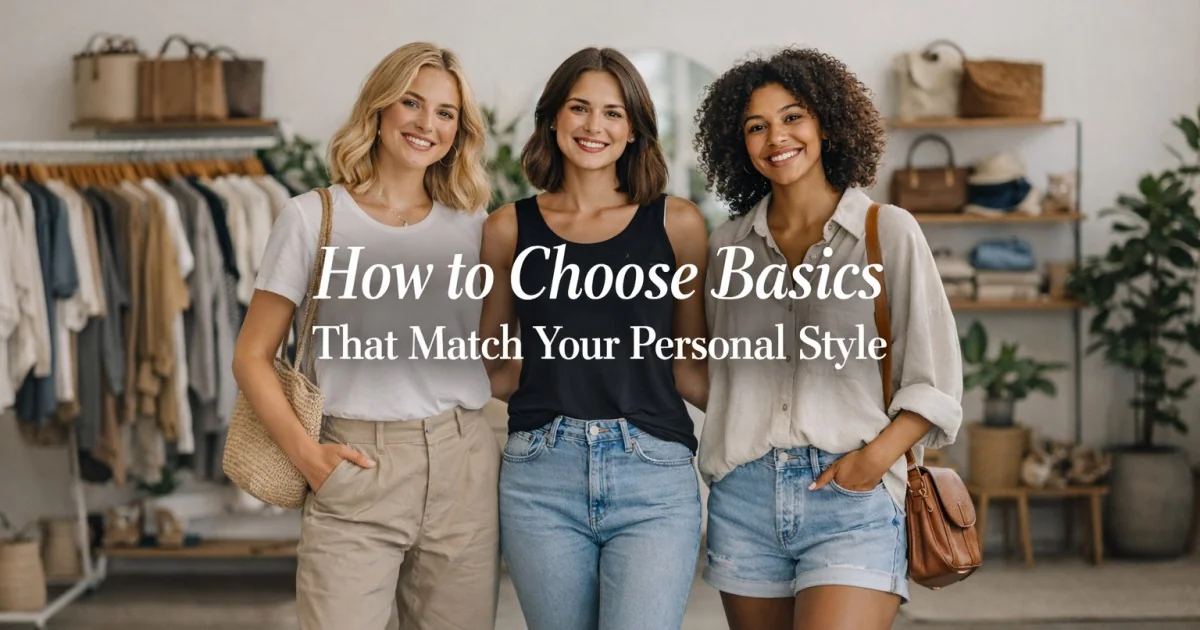
I know someone who has the most impeccable collection of basics, but when she gets dressed, she looks uncomfortable. Not physically uncomfortable the fit is perfect. But visually uncomfortable, like she's wearing clothes chosen by someone else, clothes that don't actually reflect who she is. She invested in all the "right" pieces according to fashion rules: neutrals, quality construction, versatile styling options. But they don't feel like hers. They don't make her feel like herself.That's when I realized that having perfect basics isn't actually about having the most neutral colors or the most versatile pieces. It's about having basics that feel authentically like you. Because here's what I've learned after twenty years of styling people: basics that don't match your personal style get worn less frequently. They sit in your closet making you feel like you're not supposed to wear them because they don't feel right. They're a nagging reminder of what you think you should be wearing rather than what actually works for your life.
The most functional, most-worn wardrobes I've ever seen aren't built on abstract fashion rules. They're built on basics that actually reflect how the person dresses, what makes them feel confident, what they naturally reach for, what aligns with their lifestyle and their personality. Your personal style should be the foundation of your basic wardrobe, not something you compromise on for fashion perfection.
This guide covers everything: understanding what personal style actually means, identifying your personal style through honest self-assessment, common style archetypes and how to use them as guides, choosing basics that align with your style, color choices that feel authentic, silhouette and fit preferences, building basics around your real lifestyle, avoiding basics that don't work for you, mixing styles authentically, and creating a cohesive wardrobe that actually reflects who you are.
What Personal Style Actually Means
Before choosing basics, let's define what we're actually aiming for.
Personal Style vs. Fashion Trends
Fashion Trends
- Definition: What's currently popular in fashion; changes seasonally or yearly.
- Temporary: Trends come and go; what's current now will be outdated soon.
- External: Imposed by industry; not necessarily reflective of individual preferences.
- Pressure: Often feels obligatory; pressure to follow rather than choice.
Personal Style
- Definition: How you authentically express yourself through clothing; reflects your personality and values.
- Consistent: Remains relatively stable; evolves over time but doesn't chase trends.
- Internal: Comes from your preferences, lifestyle, and identity.
- Freedom: Choice-driven; what makes you feel like yourself.
Why Personal Style Matters for Basics
- Worn frequently: Basics worn multiple times per week; must feel right to wear that often.
- Confidence: Wearing basics aligned with your style increases confidence.
- Authenticity: Basics reflecting your style feel intentional rather than obligatory.
- Wear frequency: Basics you love get worn more; justified investment.
- Wardrobe cohesion: When basics match your style, outfits come together naturally.
Components of Personal Style
- Color preferences: Colors you're drawn to; colors that make you feel good.
- Silhouette preferences: Fitted, loose, structured, relaxed; what flatters and feels right.
- Formality level: Casual, professional, mix of both; how you typically present yourself.
- Texture preferences: Smooth, textured, structured, fluid; what feels good to wear.
- Detail preferences: Simple, detailed, minimal, embellished; what attracts you.
Identifying Your Personal Style Through Honest Self-Assessment
Start by understanding what you're actually drawn to.
The Closet Audit: What You Actually Wear
The Most Worn Pieces
- Pull them out: Identify pieces you reach for constantly.
- Analyze them: What do they have in common?
- Note characteristics: Color, silhouette, fit, fabric, style.
- Pattern recognition: Is there a clear pattern in what you wear most?
What You Never Wear
- Identify pieces you avoid: Items hanging in closet untouched.
- Analyze why: Wrong fit? Wrong color? Wrong style? Doesn't feel like you?
- Honest assessment: Did you buy these because they were "supposed" to be good?
- Lesson: What to avoid in future basics.
The Stories
- Why you love certain pieces: What makes them work for you?
- Why you dislike certain pieces: What makes them feel wrong?
- When you feel best: What are you wearing when you feel most like yourself?
- Understanding: Reveals authentic preferences versus "should" preferences.
Your Lifestyle Audit
How Do You Actually Spend Your Days?
- Work environment: Professional, casual, creative, physical? How formal?
- Social activities: What do you do in your downtime?
- Physical activity: Do you need athletic functionality?
- Climate considerations: Hot weather, cold weather, variable?
- Commute style: Do you need functionality (pockets, durability)?
How Does This Affect Basics Choices?
- Professional environment: May want more structured basics; tailored fit.
- Creative environment: May want more expressive basics; personality-driven.
- Active lifestyle: Need comfortable, durable basics; functional fit.
- Casual lifestyle: Can lean into relaxed, comfortable silhouettes.
Your Confidence Audit
What Makes You Feel Confident?
- Colors that make you feel good: Neutrals or colors? Why?
- Silhouettes that flatter: Fitted or loose? Why?
- Fits that work: Tailored or relaxed? Why?
- Details that excite you: Simple or detailed? Why?
What Makes You Feel Uncomfortable?
- Constraints: Does wearing tight clothing bother you? Loose clothing?
- Coverage: Do you prefer more coverage or less?
- Visibility: Do you prefer standing out or blending in?
- Expression: Do you prefer simple or expressive styles?
Common Style Archetypes and How to Use Them
Frameworks for understanding different style approaches.
The Classic/Traditional Style
Characteristics
- Preference: Timeless pieces; quality over trends; structured silhouettes.
- Colors: Neutral palette; navy, black, white, gray, camel.
- Fit: Tailored, structured; respects body lines without clinging.
- Details: Minimal; clean lines; sophisticated simplicity.
- Vibe: Polished, professional, intentional.
Basics for This Style
- Crisp white button-up or t-shirt.
- Navy or black sweater.
- Well-tailored jeans in dark wash.
- Neutral hoodies in structured fit.
- Quality cardigans in neutral colors.
The Casual/Relaxed Style
Characteristics
- Preference: Comfortable, easy-to-wear pieces; minimal effort.
- Colors: Soft, neutral palette; muted tones; comfortable neutrals.
- Fit: Relaxed, comfortable; prioritizes comfort over structure.
- Details: Minimal; easy to care for; practical.
- Vibe: Effortless, approachable, comfortable.
Basics for This Style
- Soft, oversized t-shirts.
- Relaxed-fit hoodies; comfortable slouch.
- Comfortable jeans; relaxed or straight fit.
- Soft sweaters; cozy knits.
- Casual button-ups; worn loose.
The Minimalist Style
Characteristics
- Preference: Essential pieces only; maximum functionality; extreme simplicity.
- Colors: Monochromatic or very limited palette; usually neutrals or one accent.
- Fit: Clean lines; no unnecessary details; appropriate fit.
- Details: Literally minimal; no embellishment; simple basics.
- Vibe: Streamlined, intentional, deliberate.
Basics for This Style
- Plain t-shirts in limited colors.
- Monochromatic hoodies.
- Essential jeans; limited options.
- Basic sweaters; no pattern or detail.
- Fundamentals only; nothing excess.
The Creative/Expressive Style
Characteristics
- Preference: Personality-driven; individuality expressed; unique pieces.
- Colors: Diverse palette; willing to wear colors outside neutrals.
- Fit: Varied; whatever feels authentic; mix fitted and relaxed.
- Details: Graphics, patterns, unique elements that speak to you.
- Vibe: Expressive, individualistic, personality-driven.
Basics for This Style
- Graphic tees that express interests.
- Hoodies with personality or color.
- Colored or patterned basics.
- Pieces with unique details or design.
- Basics that feel like you, not generic.
The Preppy/Polished Style
Characteristics
- Preference: Coordinated, intentional; quality pieces; refined aesthetic.
- Colors: Classic palette; pastels; coordinated combinations.
- Fit: Clean-fitting; structured; feminine or sharp.
- Details: Classic details; logos; heritage brands.
- Vibe: Put-together, refined, coordinated.
Basics for This Style
- Quality t-shirts; possibly with subtle branding.
- Structured hoodies; quality brands.
- Well-fitting jeans; quality denim.
- Classic sweaters; heritage brands.
- Polished basics that work together.
The Athletic/Sporty Style
Characteristics
- Preference: Functional, comfortable; movement-friendly; athletic aesthetic.
- Colors: Practical; mix of neutrals and brights.
- Fit: Comfortable, functional; allows movement.
- Details: Technical features; athletic-inspired design.
- Vibe: Active, practical, sporty.
Basics for This Style
- Performance t-shirts; technical fabrics.
- Athletic hoodies; functional design.
- Comfort-focused jeans or athletic pants.
- Breathable, durable basics.
- Pieces that work for active lifestyle.
| Style Archetype | Color Palette | Fit Preference | Detail Level | Best Basic Choices | Vibe |
|---|---|---|---|---|---|
| Classic | Neutral Palette | Tailored | Minimal | Structured Pieces | Polished |
| Casual | Soft Neutrals | Relaxed | Minimal | Comfortable Pieces | Effortless |
| Minimalist | Monochromatic | Simple | None | Essential Only | Streamlined |
| Creative | Diverse Colors | Varied | High | Expressive Pieces | Expressive |
| Preppy | Classic Palette | Fitted | Classic Details | Quality Branded | Refined |
| Athletic | Practical Palette | Functional | Technical | Performance Pieces | Active |
Choosing Basics That Align With Your Style
Now apply this understanding to actual basic choices.
Step 1: Define Your Style Archetype
- Which archetype resonates most? Usually people blend 2-3.
- What elements from each? Take what works for you.
- Your unique mix: Your personal style is probably hybrid.
- Write it down: "I'm 50% casual, 30% creative, 20% minimalist."
Step 2: Identify Your Color Palette
- Colors you're naturally drawn to: When choosing, what colors do you pick?
- Colors that make you feel good: Wearing them increases confidence?
- Colors in your most-worn pieces: What actually works for you?
- Limit your palette: 3-5 colors ensures cohesion and versatility.
Step 3: Identify Your Fit Preferences
- How do you prefer to feel in clothes? Structured or free?
- What fits make you feel confident? What's comfortable?
- What fits make you feel awkward? What do you avoid?
- Test fits before buying: This is critical for basics worn frequently.
Step 4: Shop With Intention
- Know your criteria: Before shopping, know what you're looking for.
- Skip pieces that don't fit criteria: Even if they seem like "good basics."
- Trust your gut: If it doesn't feel right, it won't work.
- Try things on: Don't buy based on pictures or size tags.
Color Choices That Feel Authentic

Moving beyond "safe" neutrals to colors that work for you.
Understanding Your Relationship With Color
Color Avoiders
- Comfort zone: Neutral palette; limited colors.
- Why: Fewer choices; easier combinations; plays it safe.
- Expansion option: Add one accent color that feels safe.
- Basics approach: Primarily neutrals; one accent if desired.
Neutral Lovers
- Comfort zone: Neutrals feel sophisticated and versatile.
- Why: Easy to combine; timeless; professional.
- Expansion option: Experiment with neutral variations (warm vs. cool tones).
- Basics approach: Primarily neutrals; build within neutral range.
Color Experimenters
- Comfort zone: Multiple colors; willing to experiment.
- Why: Expression; personality; interest in color.
- Expansion option: Build on color preferences; expand palette.
- Basics approach: Colored basics that express personality.
Building a Color Palette That Works
Start With Colors You Love
- Look at your closet: what colors are you naturally drawn to?
- Look at your decor: what colors surround you?
- Look at your makeup: what colors do you wear?
- These reveal your authentic color preferences.
Test Colors Before Committing
- Try pieces on; see how they feel against your skin.
- Look in different lighting; does color work in natural light?
- Think about wear: will you actually wear this color?
- Don't force colors you're not drawn to; honor your preferences.
Limit Your Palette for Cohesion
- 3-4 neutrals: your base (e.g., black, gray, white, navy).
- 1-2 accent colors: personality expression (optional).
- Consistency: everything works with everything else.
- Result: maximum versatility from fewer pieces.
Silhouette and Fit Preferences
How pieces fit directly affects whether you'll wear them.
Understanding Silhouette Preferences
Fitted Silhouettes
- Definition: Follows body contours; highlights shape.
- Who prefers: Those comfortable with fitted clothes; want shape definition.
- Confidence impact: Can feel empowering or restrictive depending on person.
- Basic choices: Fitted tees, tailored hoodies, structured fits.
Relaxed/Loose Silhouettes
- Definition: Doesn't follow body lines closely; comfortable and loose.
- Who prefers: Those wanting comfort; prefer freedom of movement.
- Confidence impact: Can feel comfortable or shapeless depending on person.
- Basic choices: Oversized tees, relaxed hoodies, loose-fitting options.
Straight/Neutral Silhouettes
- Definition: Neither fitted nor loose; middle ground.
- Who prefers: Those wanting balance; not too fitted, not too loose.
- Confidence impact: Often feels most universally comfortable.
- Basic choices: Standard tees, regular hoodies, straight-cut pieces.
Finding Your Silhouette
- What silhouettes are in your most-worn pieces? That's your preference.
- What silhouettes make you feel best? Trust that feeling.
- Don't force silhouettes that don't work: Even if they're "in" or "recommended."
- Build basics around your silhouette preference: You'll wear them more frequently.
Building Basics Around Your Real Lifestyle
Basics must work for how you actually live.
Professional/Work Environment
- Consider: How formal is your workplace? How visible are you?
- Basics needed: Structured tees, tailored hoodies, professional colors.
- Fit matters: Professional environment often requires cleaner, more structured fits.
- Color matters: Often more conservative palette appropriate.
Creative/Casual Environment
- Consider: Can you express personality through clothing?
- Basics needed: More expressive options; personality-driven pieces.
- Fit matters: Can be more varied; personal preference more important.
- Color matters: Can experiment more; personality expression encouraged.
Active/Outdoor Lifestyle
- Consider: Do you need functionality? Durability?
- Basics needed: Comfortable, durable pieces; often athletic-inspired.
- Fit matters: Allows movement; comfortable for active wear.
- Fabric matters: Durable, functional materials preferred.
Casual/Home-Based Lifestyle
- Consider: Comfort is priority; casual is appropriate.
- Basics needed: Ultra-comfortable; cozy pieces.
- Fit matters: Prioritizes comfort above all else.
- Practical: Easy to care for; low-maintenance preferred.
Avoiding Basics That Don't Work for You
Learn to recognize what won't work before buying.
The "Should" Trap
The problem: Buying basics because fashion says you "should," not because they work for you.
- Examples: "Everyone needs a white button-up" but you hate button-ups.
- Result: Closet full of pieces you don't wear.
- Solution: Buy what works for you, not what fashion rules say.
Trendy Basics That Don't Feel Like You
The problem: Chasing trends in basics instead of focusing on personal style.
- Examples: Oversized fit when you prefer fitted; trendy color not in your palette.
- Result: Pieces worn once or twice then abandoned.
- Solution: Stick to your style even if trends differ.
Quality Pieces That Don't Match Your Lifestyle
The problem: Buying quality basics that require care inconsistent with your lifestyle.
- Examples: Hand-wash-only delicate pieces when you need low-maintenance basics.
- Result: Pieces deteriorate from improper care or stress.
- Solution: Match care requirements to your lifestyle capacity.
Fit Issues That You Ignore
The problem: Buying pieces with fit issues hoping they'll work or you'll grow into them.
- Examples: Too tight; too loose; sleeves wrong length.
- Result: Pieces never worn because fit bothers you.
- Solution: Fit must be right when trying on; don't compromise on this.
Mixing Styles Authentically
Most people don't fit one style archetype perfectly.
Understanding Your Style Blend
- What's your primary style? 40-50% of your style.
- What's your secondary style? 20-30% of your style.
- What's your tertiary style? 10-20% of your style.
- Your unique blend: This creates your personal style.
Creating Cohesion in Mixed Styles
- Color palette ties everything together: Consistent colors keep mixed styles cohesive.
- Quality level consistency: Mixing quality levels often looks confused; keep similar.
- Intentional mixing: Mix styles on purpose, not by accident.
- Your preference should be visible: Blend should feel authentically like you.
Examples of Style Blending
- Classic + Creative: Structured basics with personality/graphics.
- Casual + Preppy: Comfortable fit with refined quality.
- Minimalist + Athletic: Essential pieces with performance fabrics.
- Relaxed + Professional: Comfortable fit in professional colors/quality.
Creating a Cohesive Wardrobe That Reflects Who You Are
Building basics intentionally creates a wardrobe that works.
The Intentional Basics Strategy
Step 1: Understand Your Style
- Complete the self-assessments outlined earlier.
- Identify your style archetype(s).
- Define your color palette.
- Understand your fit preferences.
Step 2: Define Your Basics Needs
- Based on your lifestyle: what basics do you actually need?
- Based on your style: what pieces align with who you are?
- Create a list of essentials.
- Be realistic about quantity and variety.
Step 3: Shop With Intention
- Know exactly what you're looking for before shopping.
- Use your style definition as filtering criteria.
- Try on everything; don't compromise on fit.
- Ask: "Does this feel like me?"
Step 4: Build Slowly
- Don't buy everything at once.
- Buy one or two pieces that feel right.
- Live with them; make sure they work.
- Build gradually with pieces you actually wear.
Step 5: Assess and Adjust
- After a month, do pieces feel like you?
- Are you wearing them regularly?
- Do they work with your lifestyle?
- Adjust approach if needed.
The Authenticity Check
Before committing to a basic piece, ask yourself:
- Does this feel like me? Be honest.
- Would I choose this if no one else would see me wearing it? That's authenticity.
- Does this align with how I actually present myself? Not how I want to present.
- Will I feel comfortable wearing this regularly? Physically and emotionally.
- Is this authentic to my style or what I think I "should" buy? Choose authenticity.
The Real Power of Personal Style Basics
The most powerful wardrobe isn't the one that follows all the fashion rules perfectly. It's the one where every piece reflects who the wearer actually is. When your basics align with your personal style, getting dressed feels natural. Outfits come together easily. You feel like yourself, not like you're playing dress-up in someone else's wardrobe.
I know someone different person from the beginning whose basics wardrobe is technically "wrong" by fashion standards. She has too many colors. Her pieces don't follow a strict capsule formula. She mixes styles that aren't supposed to go together. But when she gets dressed, she looks absolutely intentional. She looks like herself. And that authenticity is worth infinitely more than following rules.
Your basics should be the foundation of who you are, not the foundation of what fashion says you should be. When you choose basics that align with your personal style, your lifestyle, your preferences, and your values, you build a wardrobe that actually serves you. And that's when basics stop being a chore and start being a genuine pleasure.
