How to Pick Fun Graphic T-Shirts Kids Love
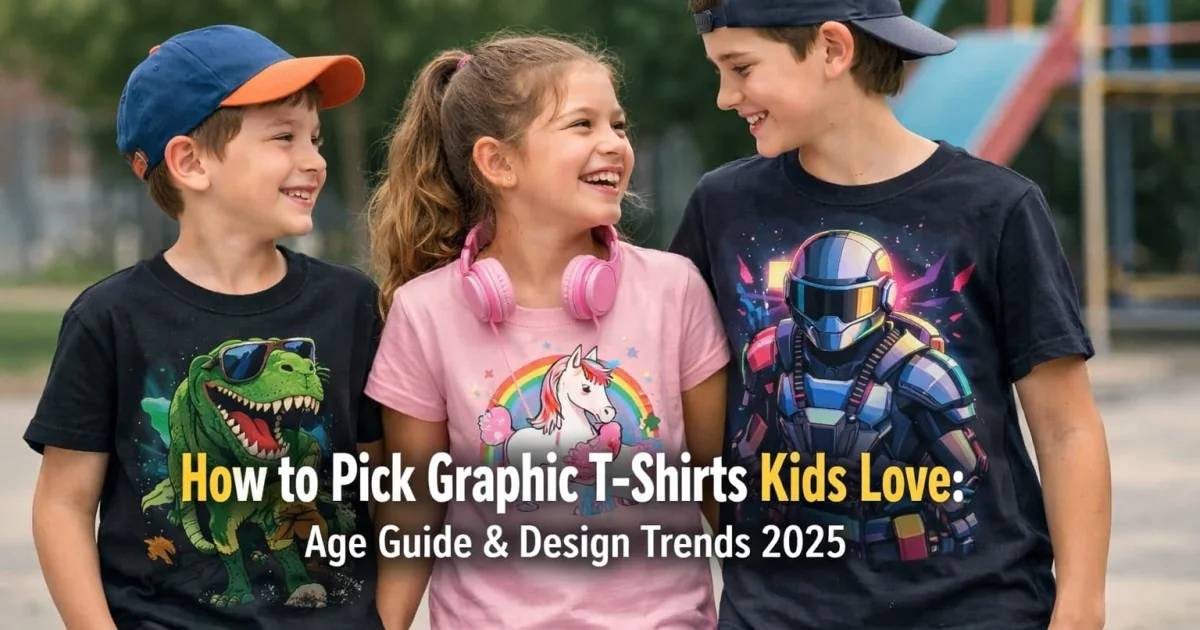
A graphic t-shirt is so much more than just a shirt. It's how kids express themselves. It's what makes them feel confident. It's often the piece they actually want to wear. And the difference between a graphic t-shirt your child genuinely loves and one that sits unworn in their drawer is understanding what they actually find fun and cool.
The truth is that picking graphic t-shirts that kids actually love requires more than just grabbing something cute from a store rack. It requires understanding what genuinely appeals to your child at their specific age, what's considered cool by their peers, and how to evaluate whether a design has any staying power or will look tired in two weeks.
So let me walk you through exactly how to pick graphic t-shirts your kids will actually love, from understanding what different ages find appealing, to evaluating design quality, to making sure you're selecting something they'll reach for repeatedly instead of something they'll tolerate.
The Foundation: Understanding That It Has to Matter to Them
Here's the most important thing to understand before we talk about anything else: the graphic t-shirt that matters is the one that matters to your child. Not the one that's cute, not the one that looks good in your aesthetic, not the one that photographs well. The one that makes your child feel like themselves.
I've watched parents buy beautiful, perfectly designed graphic t-shirts featuring characters or themes they thought their child would love, only to have the child refuse to wear them because they didn't actually connect with the design. Conversely, I've seen children treasure a quirky, imperfect graphic t-shirt because it represented something they genuinely cared about.
This is why involving your child in the choice matters. The more your child has a say in what they're wearing, the more likely they are to actually wear it. And a t-shirt that doesn't get worn is money wasted and closet clutter.
Toddler Graphics: Cute, Clear, and Familiar (Ages 2-5)
Toddlers are simple in what appeals to them, which makes choosing their graphic t-shirts actually pretty straightforward. They love bright colors, they love characters they recognize, and they love designs that are clear and easy to identify.
Beloved Characters: This is the sweet spot for toddler graphics. Peppa Pig. Paw Patrol. Bluey. Elmo. Mickey Mouse. These are characters they interact with regularly, probably watch on screen, and genuinely love. A toddler wearing a t-shirt featuring their favorite character is a toddler who's happy to put on clothes. It's that simple.
Cute Animals: Beyond licensed characters, cute animal designs are huge with this age. A friendly-looking lion, a smiling elephant, adorable woodland creatures—anything cute and non-threatening appeals. The design doesn't have to be complicated. In fact, simple is better. A clear, uncomplicated animal design that your toddler can point to and identify works beautifully.
Bright, Bold Colors: Toddlers are visually attracted to bright primary colors and high-contrast designs. They don't care about pastels or subtle color palettes. They want red and blue and yellow. They want their graphic t-shirt to be visually exciting and noticeable.
What Doesn't Work: Avoid designs that are too small or complicated (toddlers can't identify them), designs that feature anything remotely scary (why would you put a scary design on a toddler?), or designs that are too sophisticated. Keep it simple, sweet, and familiar.
Preschool Graphics: Character-Obsessed and Whimsical (Ages 4-6)
Preschoolers develop stronger preferences and become more aware of what's trendy. They start having favorite shows and characters that go deeper than just recognizing them. A preschooler might not just like Frozen; they might be absolutely obsessed with it.
Franchised Characters at Peak Popularity: This is the age when Disney, Pixar, and other major franchises are at maximum appeal. Your preschooler probably has a favorite movie they've watched seventeen times, and they'd be thrilled to wear a t-shirt featuring their favorite character. This is the prime time for character-based graphics.
Whimsical and Fantasy Designs: Beyond established characters, whimsical designs appeal strongly to this age. Unicorns, dragons, magical forests, fairy tales—anything that captures imagination and wonder works. These designs are often more stylized and creative than simple toddler graphics.
Color Combinations That Pop: Preschoolers still love bright colors, but they're starting to appreciate more complex color combinations. A graphic with multiple colors working together starts to appeal, whereas toddlers wanted simpler designs.
Adding Text (When It Matches Their Interests): Around this age, text starts making an appearance. A simple phrase with their favorite character, a saying their favorite show uses, a cute pun—these work if they're related to something your preschooler cares about.
Elementary Graphics: Starting to Care About Cool (Ages 6-10)
This is where things get more complex because kids are developing independent taste, and they're starting to care about what peers think. A graphic t-shirt at this age needs to appeal to the child's actual interests while also being something they feel confident wearing around their friends.
Video Game Characters and References: Minecraft. Super Mario. Zelda. These games are huge with this age group, and graphic t-shirts featuring them are perennially popular. A child into gaming will love a t-shirt that shows their gaming interests.
Superhero Graphics: Spider-Man. Iron Man. The Avengers. Superheroes continue to be cool through this entire age range. The design philosophy might shift—a younger elementary kid wants a clear superhero image, while an older one might appreciate something more sophisticated—but superheroes remain enduring.
Dinosaurs and Science Themes: This age is when many kids get into dinosaurs, space, and science. Dinosaur graphics are perpetually popular, as are space themes with rockets, planets, and astronauts. These designs appeal to curiosity and imagination.
Sports and Activity-Based Graphics: If your child plays sports or has an activity they love, a graphic t-shirt reflecting that builds confidence. A soccer player in a soccer-themed t-shirt, a swimmer in a water-themed one—these make sense and feel personal.
Humor Starts Appearing: Funny text and puns start appealing, especially later in this age range. A clever joke, a food pun, something that makes them laugh—these work because kids this age are developing their sense of humor and appreciate the laugh.
Peer Perception Starting to Matter: Be aware that what's considered cool among their peer group is starting to matter. A graphic t-shirt that represents something popular with their friends feels good to wear. This becomes increasingly important as they approach upper elementary.
Tween Graphics: Trends and Personal Style (Ages 10-13)

Tweens are in that weird middle space where they're not quite teenagers but they're getting there. They're increasingly style-conscious, trend-aware, and concerned with their peer perception. A graphic t-shirt at this age needs to feel cool to them and to their friends.
Anime and Manga Graphics Emerge: This is the age when anime and manga characters start becoming hugely appealing. Anime fans develop passionate interest, and a t-shirt featuring their favorite anime character or a cool manga design feels very cool to them. These designs range from cute to action-heavy, and they're often visually impressive.
Gaming Stays Strong, Evolves: Video game references continue to be huge, but the games are evolving. Fortnite. Roblox. Minecraft continues to be popular. Gaming culture is central to many tweens' social lives, and wearing a gaming-related t-shirt is a way to signal membership in that community.
Funny, Sarcastic Text: Tweens are developing their sense of humor and appreciating sarcasm and clever wordplay. A t-shirt with a funny text message, a sarcastic quote, or a clever joke appeals because it represents their emerging sense of humor. It's also more age-appropriate than character-based designs feel to them.
Streetwear and Brand Logos: Brands start mattering more at this age. A t-shirt featuring a recognizable brand logo or a streetwear-inspired design signals awareness of fashion and trends. This is the age when logos and brand representation start appearing in their wardrobe.
Music and Cultural References: If your tween is into music, a music-related design appeals. If they're into a specific show or movie, they might like design references to that. Cultural awareness is emerging, and designs that represent what's popular with their peers feel relevant.
Personal Expression Matters Significantly: By this age, graphic t-shirts are genuinely about personal expression. They're choosing designs that represent who they are or who they want to be. The design matters because it says something about them to their peers.
Teen Graphics: Aesthetic and Personal Style (Ages 13+)
Teenagers are developing distinct personal style, and what they wear matters to them for how it represents their identity. A graphic t-shirt at this age is less about cute characters and more about aesthetic and personal expression.
Anime Reaches Peak Popularity: For many teens, especially younger teens, anime becomes a major interest. Sophisticated anime character designs, manga-style graphics, action-heavy compositions—these appeal because they're visually impressive and represent an interest they're passionate about. Anime t-shirts become way more than just a shirt; they're a statement of identity.
Vintage and Retro Aesthetics: Y2K revival. Vintage band-style graphics. Throwback designs. Teens love nostalgia, especially nostalgia for decades their parents grew up in. A t-shirt with a retro aesthetic or vintage-inspired design feels cool and different from what everyone else is wearing.
Minimalist and Sophisticated Designs: Some teens prefer minimalist designs—a simple line drawing, a single icon, minimal text. These feel more sophisticated and less "kiddie" than character-heavy designs. The design appeals because it's understated and cool.
Statement and Message Tees: Bold statements, slogans about causes they care about, messages about kindness or inclusivity—these appeal because they represent values or beliefs your teen wants to express. The t-shirt becomes a way to signal what matters to them.
Niche and Personal Interest Designs: Whether it's a band they love, a book series they're obsessed with, a sport they play, or a hobby they pursue—designs that represent their specific interests appeal strongly. A band t-shirt represents musical taste. A gaming design represents their community. These personal interests matter more than generic designs.
Style Preference Becomes Paramount: By this age, if a t-shirt doesn't fit their personal aesthetic, they won't wear it. You can't convince them. It's not cute enough, not cool enough, not what they actually want. Their style preference is the final word. Involving them in the choice isn't optional; it's essential.
Evaluating Graphic Quality: What Makes a Design Actually Last
Beyond what the graphic looks like, you need to evaluate the actual quality of the design execution and printing. A poorly printed graphic will fade, crack, and deteriorate, and your child will stop wearing the t-shirt within a few months.
Print Clarity and Sharpness: A quality graphic has sharp edges, clear detail, and no bleeding or smudging of the design. If the edges of the graphic are fuzzy or the colors are bleeding into each other, it's poor quality printing. A sharp, clear graphic will last longer.
Color Vibrancy: The colors should be vibrant and true to what you see. If the design looks dull or washed out compared to the product photo, it's probably going to fade faster. Quality printing creates colors that are bright and will hold through multiple washes.
Ink Type Matters: Water-based inks are typically softer and more comfortable against skin, but they can fade faster. Plastisol inks are bright and durable but can feel stiffer initially. DTG (direct-to-garment) printing captures incredible detail. Screen printing is durable and colorfast. Know what you're buying and what the trade-offs are.
The Feel of the Print: A quality print should be smooth and not scratchy or stiff. If the print feels like plastic coating or is rough to the touch, it's going to be uncomfortable to wear and will crack and peel with washing. Smooth, comfortable prints last longer and feel better.
Durability of the Design Through Washing: This is where reading reviews matters. Look for feedback about whether the design fades, cracks, or deteriorates after washing. A design that looks great new but fades after a few washes is poor quality.
Practical Strategy: How to Actually Choose
Here's my step-by-step approach to picking a graphic t-shirt your child will actually love and wear.
Step One: Pay Attention to What They Talk About: What show are they watching? What game are they playing? What character do they mention? What makes them excited? Listen to what they actually care about, and use that as your starting point.
Step Two: Check What's Cool in Their Peer Group: For kids old enough to care about peer perception (school-age and up), pay attention to what other kids are wearing. What graphic t-shirts are you seeing on their peers? What designs seem to signal membership in the cool group? This matters more than you might think.
Step Three: Show Them Options and Get Input: If possible, show your child options and let them choose. Even if you're narrowing options down (you're not buying them a graphic t-shirt with something inappropriate), giving them choice matters. They're more likely to wear something they chose.
Step Four: Consider the Design Quality: Look at the printing, the color vibrancy, the print method. A quality design will last; a cheap one will fade and deteriorate.
Step Five: Read Reviews: Look for parent feedback about fading, durability, and comfort. Real parents will tell you if the design held up through washing or if it faded immediately.
Step Six: Trust Your Child's Preference: If your child genuinely loves a design, get it. Even if it's not your aesthetic, even if you think it's not as cool as something else, if your child loves it, they'll wear it. And a worn t-shirt is successful, even if you don't love the design.
A Quick Graphic T-Shirt Fit Guide
| Age Group | Top Graphic Appeals | Character Types | Text/Humor | Color Preferences | Success Factor |
|---|---|---|---|---|---|
| Toddlers (2-5) | Cute animals, familiar characters | Friendly, non-threatening, recognizable | None to minimal | Bright primary colors, high contrast | Familiarity and simplicity |
| Preschool (4-6) | Favorite franchise characters, whimsical designs | Disney, fantasy creatures, favorites | Simple text OK if character-connected | Bright, multiple-color combinations | Character relevance and vibrancy |
| Elementary (6-10) | Video games, superheroes, dinosaurs, sports | Gaming/superhero/science-related | Funny puns, clever text emerging | Bold, bright, varied by preference | Interest relevance and "cool" factor |
| Tween (10-13) | Anime, gaming, music, funny text, streetwear | Anime characters, gaming references, brand logos | Sarcasm and humor important | Varied, trend-dependent, personal | Peer perception and personal style |
| Teen (13+) | Personal expression, aesthetic, niche interests | Anime, music, band, cultural references | Message/statement tees, clever text | Personal aesthetic preference | Personal style alignment |
The Bottom Line
Picking a graphic t-shirt your child actually loves comes down to understanding what genuinely matters to them at their age, evaluating the quality of the design and printing, and giving them a voice in the choice. A t-shirt they love and will actually wear beats a thousand t-shirts they won't wear, no matter how cute or well-designed.
