The Complete Guide to Comfortable Kids' T-Shirts
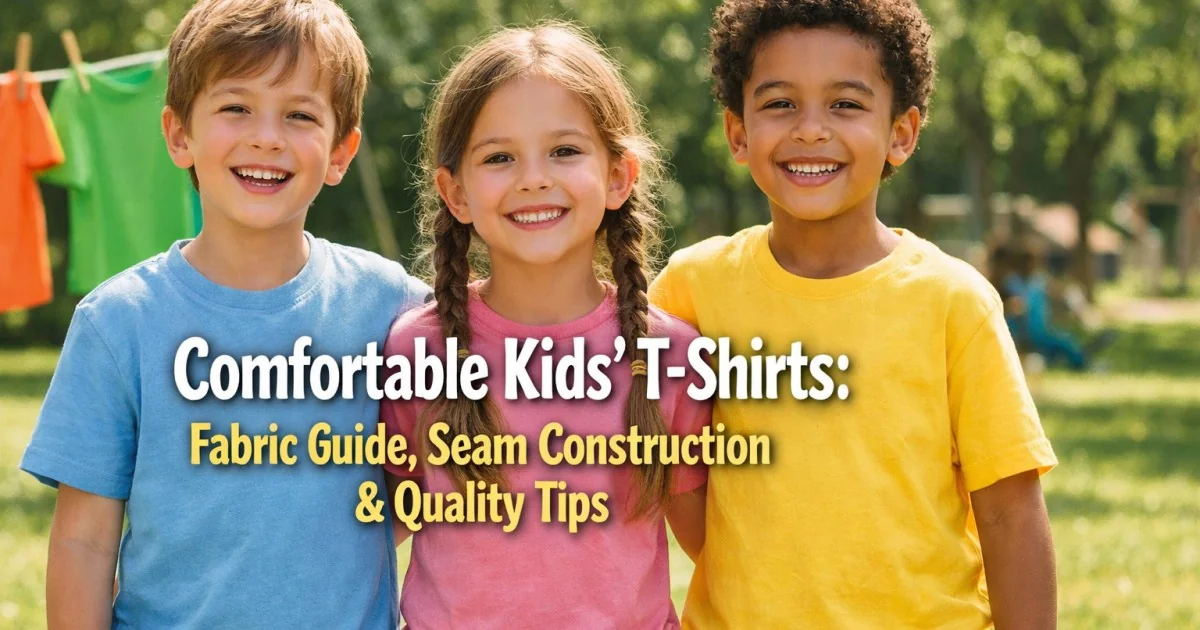
Something that might seem obvious but that many parents overlook: a comfortable t-shirt changes everything. A child in a t-shirt that truly feels good will wear it happily, move freely, and feel confident. A child in an uncomfortable t-shirt will complain, avoid it, or feel irritable. And comfort isn't just about how something looks it's about the specific combination of fabric softness, breathability, seam construction, fit, and weight that make wearing something actually feel good.
The truth is that comfortable t-shirts require understanding multiple factors that work together. A soft fabric that doesn't breathe well won't feel comfortable in summer. A breathable fabric with uncomfortable seams will irritate. A perfectly fitting t-shirt made from stiff fabric won't feel good. It's the combination of all these factors that creates genuine comfort.
So let me walk you through exactly what makes a kids' t-shirt truly comfortable, from understanding fabric properties to evaluating seam construction to choosing the right weight for your climate and your child's activities.
The Foundation: Fabric Softness
The first component of comfort is how the fabric feels against your child's skin. This is about softness, and different fabrics offer different levels.
Bamboo Fabric: The Gold Standard: If comfort is your priority, bamboo is genuinely the softest option available for kids' clothing. It's comparable to silk in softness, naturally hypoallergenic, and incredibly gentle. The drawback is cost bamboo is more expensive than cotton. But if your child has sensitive skin or you're willing to invest in premium comfort, bamboo t-shirts are genuinely luxurious to wear.
Organic Cotton: Natural Softness: Organic cotton is grown without synthetic pesticides and chemicals, which means the fibers stay purer and longer. This results in softer fabric than conventional cotton. Studies show organic cotton causes about 30% less skin irritation than conventional cotton. If you're looking for soft, natural fibers without the premium bamboo price tag, organic cotton is a solid choice.
Pima and Egyptian Cotton: Premium Natural Options: Both Pima and Egyptian cotton are premium cotton varieties with longer fiber staples. Longer fibers result in finer, softer yarn, which creates softer fabric. These are luxurious options that feel noticeably softer than standard cotton, but they're more expensive.
Ring-Spun Cotton: The Quality Signal: Ring-spun cotton uses a specific spinning method that creates finer, stronger, softer yarns. A ring-spun cotton t-shirt will feel noticeably softer than a standard cotton one. Look for this designation on labels it signals quality and attention to comfort.
Modal and Tencel: The Semi-Synthetic Option: Modal and Tencel (also called lyocell) are semi-synthetic fabrics made from wood pulp. They're incredibly soft often compared to silk and they're also very breathable. These are excellent options for kids who need both softness and performance characteristics. The trade-off is that they're pricier than cotton.
Standard Cotton: The Baseline: Regular, conventional cotton is soft and comfortable, especially when new, but it's less soft than the premium options. It's affordable and practical, and perfectly fine for most kids. The trade-off is it's slightly less soft and may have chemical residue from conventional growing methods.
What to Avoid: Budget polyester and low-quality synthetic blends are rarely soft. They can feel stiff or plastic-y. If softness matters to you, avoid these unless necessary for specific functional reasons (like performance moisture-wicking for sports).
The Critical Role of Seam Construction: Why It Matters More Than You Realize
Here's something that many parents don't think about but that genuinely affects comfort: how the seams are constructed. A t-shirt with uncomfortable seams will be uncomfortable to wear, regardless of how soft the fabric is.
Flatlock Seams: The Comfort Champion: Flatlock seams are constructed by joining just the fabric edges together, creating a completely flat seam that lies flush against the skin. There's no bulk, no bumpy stitching, and no chafing. For kids with sensitive skin or sensory sensitivities, flatlock seams are ideal. A t-shirt with flatlock seams feels noticeably more comfortable than one with standard seams.
Bonded Seams (ComfySeam): Even more advanced than flatlock, bonded seams use adhesive to fuse fabric together instead of stitching. The result is almost seamless comfort ultra-flat and smooth. These are typically found in premium or performance-focused clothing and represent the height of seam comfort.
Flat Felled Seams: The Durable Comfort Option: Flat felled seams use double stitching with the raw edges completely enclosed. The result is smooth on both sides with no exposed edges. This is both very durable and quite comfortable, making it a good balance of comfort and longevity.
Standard Side Seams: The Common Option: Most children's t-shirts use standard side seams (stitched along the sides). These can be comfortable or uncomfortable depending on the quality of construction. If the stitching is even, the thread is smooth, and the seams are reinforced, they're fine. If the stitching is rough or the seams are poorly finished, they can be uncomfortable.
The Label Issue: Beyond seams, labels matter. A thick, stiff paper label with rough edges can be uncomfortable or irritating. The best option is tagless labels, which eliminate the problem entirely. If a t-shirt must have a label, look for soft, flat labels in inconspicuous locations, not at the back of the neck where it touches your child's skin constantly.
Breathability: The Comfort Factor That Changes With Seasons
Breathability is how much air can flow through the fabric, and it's crucial for comfort. The right breathability depends on your climate and the season.
Naturally Breathable Fabrics: Cotton, bamboo, linen, and organic cotton are all naturally breathable. They allow air to circulate, preventing overheating and discomfort. For year-round wear in most climates, these natural fibers are ideal.
How Fabric Weight Affects Breathability: Lighter-weight fabrics (under 150 GSM) are more breathable than heavier weights. A lightweight t-shirt breathes better than a heavy one. But the trade-off is that lightweight can sometimes feel thin or less durable. The sweet spot for most use is around 180-200 GSM breathable enough but not feeling thin.
What Doesn't Breathe Well: Polyester-heavy blends, fleece, and thick synthetic materials don't breathe as well. They can trap heat and moisture. For summer wear or warm climates, avoid these unless your child needs performance moisture-wicking for sports.
For Hot Weather: Choose lightweight (under 150 GSM) in breathable fabrics like linen, cotton, bamboo, or modal. Light colors also help reflect heat rather than absorb it.
For Cold Weather: Heavier weight (200+ GSM) provides insulation. Cotton or cotton-polyester blends work well for layering without overheating.
Moisture-Wicking: Important for Active Children
If your child is active, plays sports, or tends to sweat, moisture-wicking becomes important for comfort. Moisture-wicking fabrics pull sweat away from the skin and help it evaporate, keeping your child dry and comfortable rather than sweaty and uncomfortable.
Best Moisture-Wicking Fabrics: Tencel (also called lyocell) is remarkably absorbent 50% more absorbent than cotton and it dries quickly. Modal is similarly excellent, absorbing 50% more moisture than cotton while drying quickly. Bamboo naturally wicks moisture. Merino wool (fine grade) absorbs moisture without feeling wet.
Polyester Performance Blends: While I generally prefer natural fibers for comfort, polyester-based performance blends are genuinely effective at moisture-wicking and quick-drying. If your child is very active and gets sweaty, a polyester or polyester-blend t-shirt might be more comfortable than cotton because it stays drier.
The Trade-Off: The most moisture-wicking fabrics (like Tencel and Modal) are more expensive. If budget is a concern, a cotton-polyester blend offers decent moisture-wicking at reasonable cost.
Fit and Movement: The Overlooked Comfort Factor

The perfect fabric becomes uncomfortable if the fit is wrong. A t-shirt needs to allow freedom of movement while not being so loose it feels sloppy.
What Comfortable Fit Looks Like: A comfortable t-shirt fits snug enough that it doesn't hang awkwardly but loose enough that your child can move freely. Their arms should raise without pulling. They should be able to bend and twist without the shirt pulling or restricting. The fit shouldn't feel constricting around the torso.
Stretch Capability Matters: Knit fabrics naturally have stretch. Some fabrics include a small percentage of elastane or spandex (typically 3-5%) which adds stretch and allows better movement. This stretch should feel natural and not make the garment feel clingy.
Avoid Both Extremes: A t-shirt that's too tight will be uncomfortable and restrict movement. A t-shirt that's too loose will feel sloppy and awkward. The sweet spot is comfortable ease enough room to move freely but not so much that it hangs poorly.
Weight and Thickness: The Forgotten Comfort Variable
Fabric weight (measured in GSM grams per square meter) significantly affects comfort, and many parents don't consider it.
Lightweight Fabrics (Under 150 GSM): Lightweight t-shirts are thin, breathable, and ideal for hot weather. The downside is they can feel thin or flimsy, and they may not feel substantial against the skin. For some kids, this thinness is uncomfortable. For others, it's perfect for summer.
Midweight Fabrics (150-200 GSM): This is the sweet spot for most purposes. Midweight t-shirts feel substantial without being heavy, breathe reasonably well, and feel comfortable most of the year. This is probably the most universally comfortable weight.
Standard Weight (180-220 GSM): This range offers excellent comfort the fabric feels nice against the skin, has good durability, and still breathes adequately. This is often considered the most comfortable weight for everyday wear.
Heavyweight Fabrics (220+ GSM): These are thick and feel very substantial and cozy. The downside is they're less breathable and can feel restrictive or uncomfortable in warm weather. They're best reserved for cooler seasons or layering pieces.
Special Comfort Considerations
For Children With Sensitive Skin: Prioritize organic cotton, bamboo, or Tencel. Look for flatlock seams or seamless construction. Avoid synthetic dyes and chemicals by choosing OEKO-TEX certified fabrics. Choose tagless labels. The fabric weight should be substantial enough to not feel thin against sensitive skin.
For Very Active Children: Moisture-wicking becomes important. Look for fabrics that pull sweat away and dry quickly. Breathability matters because active kids generate heat. Consider polyester-cotton blends or performance fabrics designed for sport.
For Children With Sensory Sensitivities: Look specifically for flatlock seams, seamless construction, or bonded seams. Tagless labels are essential. Choose smooth, soft fabrics. Avoid anything scratchy or with prominent seams. The t-shirt should feel almost second-skin in comfort.
For Hot Climates: Lightweight, breathable fabrics are essential. Cotton, linen, bamboo, or modal all work. Light colors help. Avoid polyester or thick synthetics that trap heat.
For Cold Climates: Heavier weights provide insulation for layering. Natural fibers work well for moisture management. Merino wool is excellent if your child tolerates it.
The Comfort Evaluation Checklist
When you're evaluating whether a t-shirt is actually comfortable, use this checklist:
Fabric Feel: Touch the fabric. Does it feel soft? Is it scratchy or stiff? Run your fingers across the grain does it feel smooth both directions? If it feels rough, it won't be comfortable.
Seams: Inspect the seams, especially at the sides and underarms. Are they flat and smooth, or bumpy and raised? Run your finger along the inside are they smooth or rough? Uncomfortable seams will make the t-shirt uncomfortable regardless of fabric quality.
Label: Is there a label at the back neck? Is it soft and smooth or stiff and rough? Tagless is best. If there's a label, make sure it's soft and won't irritate.
Weight and Thickness: Does the fabric feel substantial or thin? Is it appropriate for the season? Does it feel comfortable against the skin?
Stretch and Movement: Can you stretch the fabric? Does it feel restrictive or does it move freely? If your child puts it on, can they move their arms freely? Can they bend without pulling?
Overall Impression: Does it feel good? Would you want to wear it? If a t-shirt doesn't feel comfortable to an adult, it definitely won't feel great to a child.
The Price-Comfort Relationship
Generally, more comfortable t-shirts cost more, but you don't need to spend a fortune.
Budget t-shirts ($10-15) often prioritize low cost over comfort. You might find basic comfort, but often seams are rough, fabric is thin, or labels are uncomfortable.
Mid-range t-shirts ($15-30) offer good value for comfort. This range typically includes soft fabrics, decent seams, and reasonable quality. This is probably the sweet spot for most families.
Premium t-shirts ($30-50+) offer luxury comfort with premium fabrics, excellent seams, and perfect construction. If budget allows, these are wonderful, but they're not necessary for comfort.
My recommendation: spend in the $20-30 range for quality comfort without premium pricing. You'll get genuinely comfortable t-shirts that will be pleasant to wear without breaking the budget.
The Bottom Line: What Actually Makes a Comfortable T-Shirt
A truly comfortable kids' t-shirt combines several factors: soft fabric that feels good against the skin, breathable enough for your climate and season, seams that are flat and smooth rather than bumpy or rough, a fit that allows freedom of movement, appropriate weight that doesn't feel thin or heavy, and no uncomfortable labels. When all these factors come together, you get a t-shirt your child will actually want to wear and that will feel good all day long.
